 Tooth Calendar Blog
Children's teeth, explained by a dentist
From pregnancy to age 18, the dental topics parents need at each stage. This blog expands on the articles in the Tooth Calendar app.
English ebook · Dentist Ingyoon An
A guide to the decisions behind dental care
Tooth Calendar follows dental care from pregnancy to eighteen in 78 chapters. Explore the reasons behind feeding, brushing, baby-tooth decay, sedation, and injury decisions—including what can be watched and when to seek help. Age-based contents and a topic index help you find the concern you have today.
Get these at the right time
Enter your child's birth date (or due date) in the Tooth Calendar app and these articles arrive as reminders when they matter. Free, no sign-up.
Pregnancy
 Bleeding gums during pregnancyBleeding gums are common in pregnancy. Don't stop brushing. Just go gentler and more thorough.
 Your baby's teeth are forming nowBaby teeth start forming around week 6 of pregnancy. A balanced diet supports your baby's tooth development.
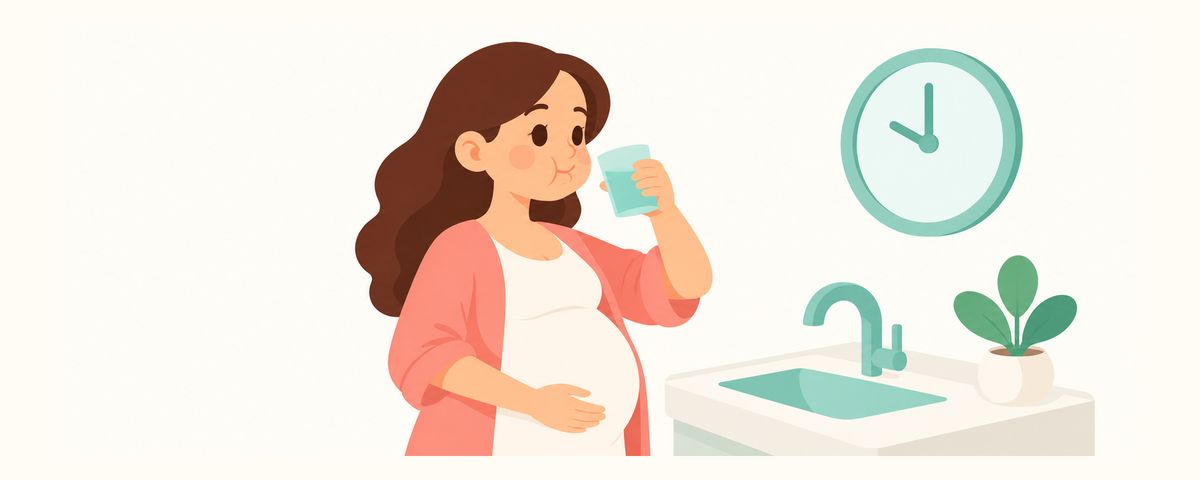 Don't brush right after morning sicknessBrushing right after vomiting wears down acid-softened teeth. Rinse with water and wait 30 minutes to brush.
 Dental care during pregnancy is safeCheck-ups and treatment are safe during pregnancy. The second trimester (weeks 14–27) is the comfiest time.
 Dental medications in pregnancyTetracycline antibiotics can stain baby's teeth, so they're avoided. Ask before any painkiller or antibiotic.
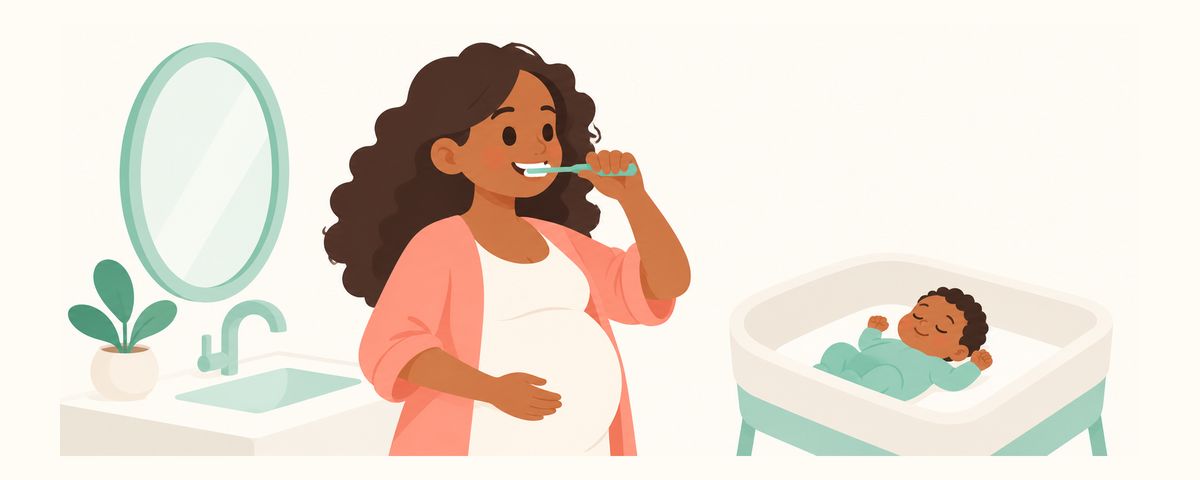 Gum disease and preterm birth: what we knowGum disease is linked to preterm birth, but it isn't proven to cause it. Gum treatment is safe in pregnancy.
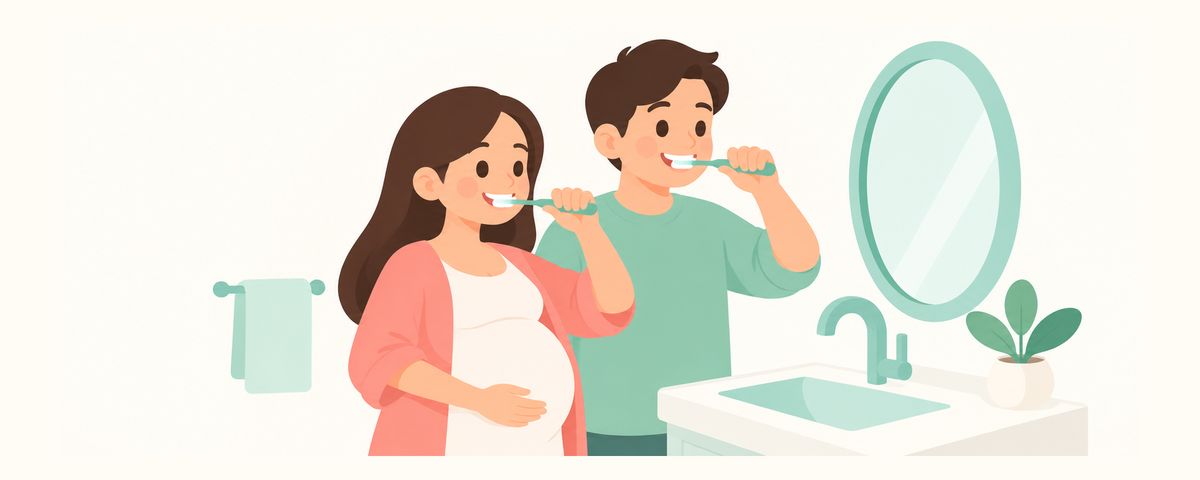 Preventing your baby's cavities starts with your own mouthYour family's oral health affects your baby's cavity risk. Finish treating your own cavities before the birth.
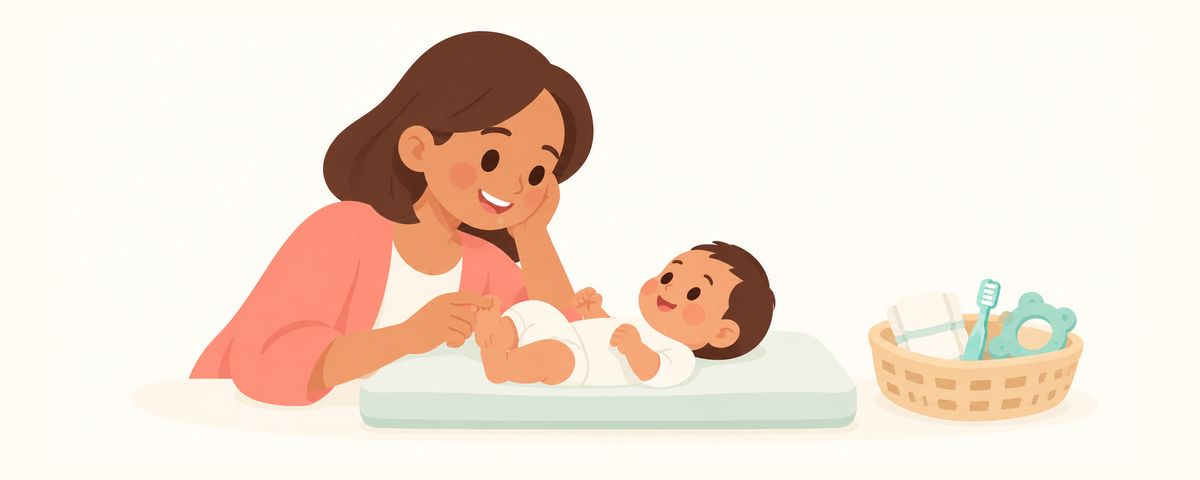 Oral care items for your hospital bagGauze, a baby toothbrush, fluoride toothpaste, and a teether are all you need. Skip benzocaine and amber.
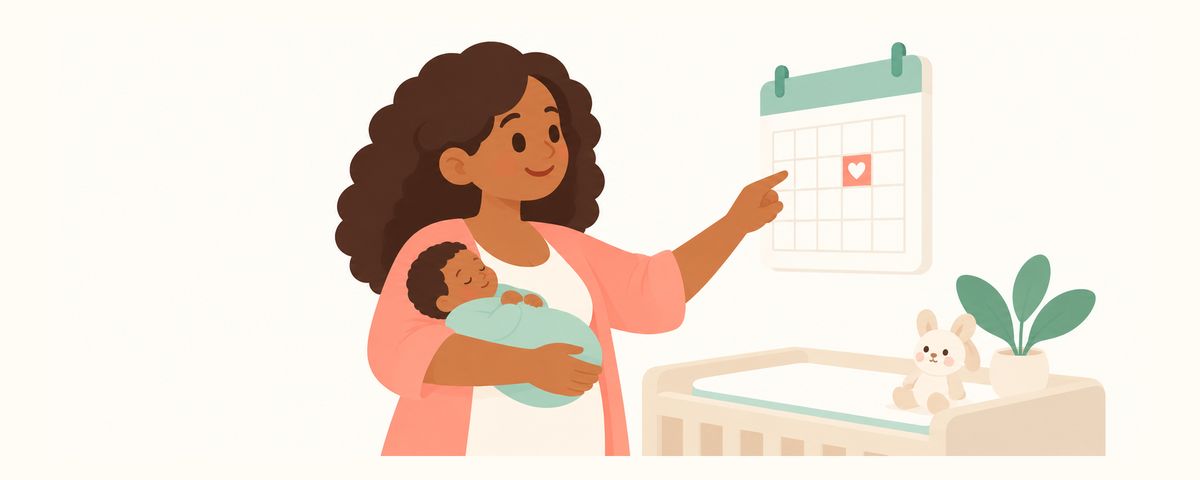 A dental plan for after the birthPlan your postpartum check-up now. Breastfeeding is recommended; all-night feeds once teeth are in are a risk.
Newborn
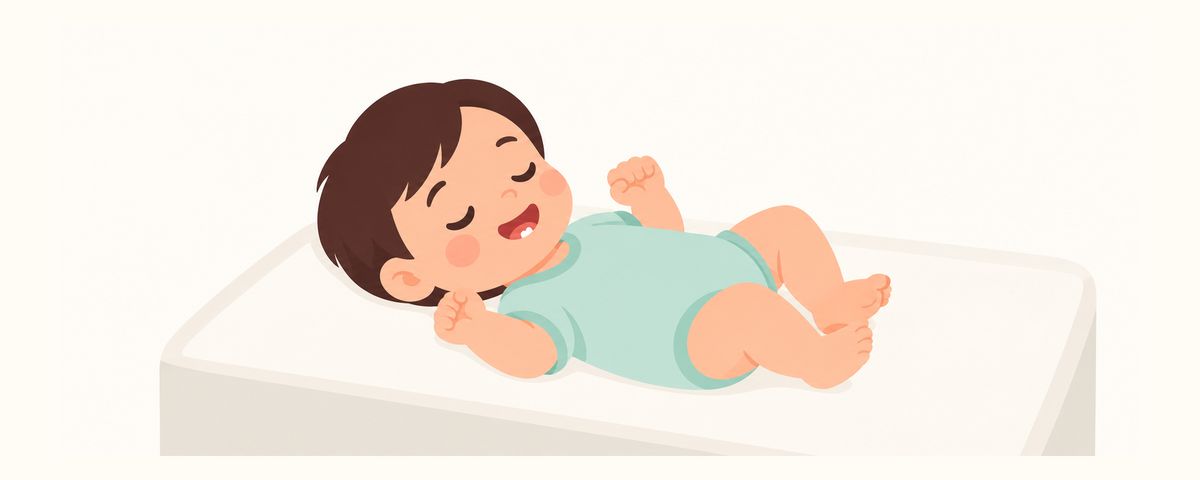 Born with a tooth?A tooth at birth or in the first month is rare. Most are simply watched, but a loose one needs a dental check.
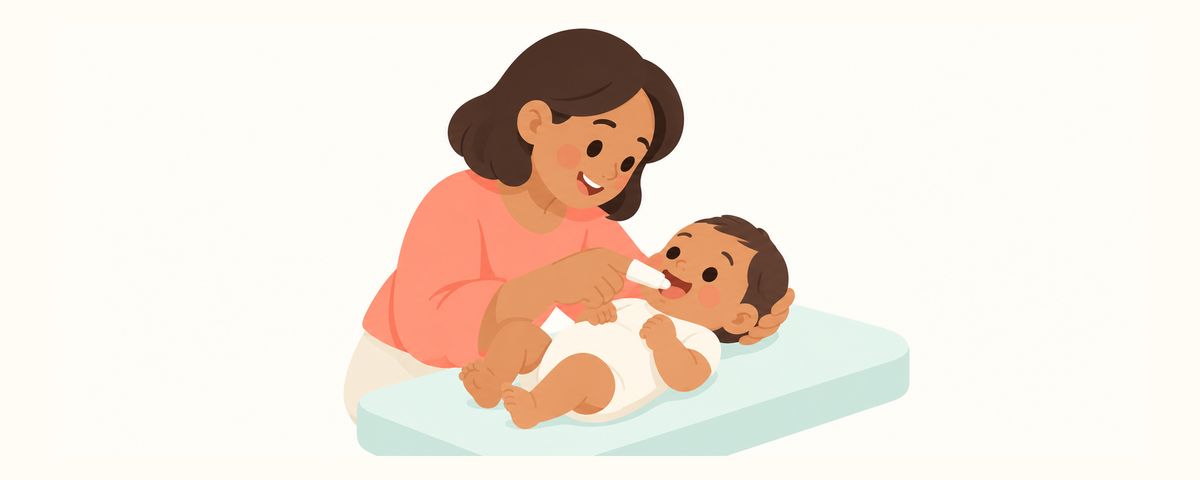 Wiping the gums before teeth appearWiping the gums with clean, damp gauze after feeds is the first step toward a lifelong brushing habit.
 White bumps and white patches in a newborn's mouthTiny white bumps in the mouth usually go away on their own. A coating that won't wipe off may be thrush.
 Tongue-tie: does it need to be cut?A short tongue or lip tie needs no treatment if feeding goes well. It's checked only for feeding problems.
Baby (first year)
 Pacifiers and thumb-suckingSucking is normal in infancy. Aim to stop before age 3, and never dip a pacifier in anything sweet.
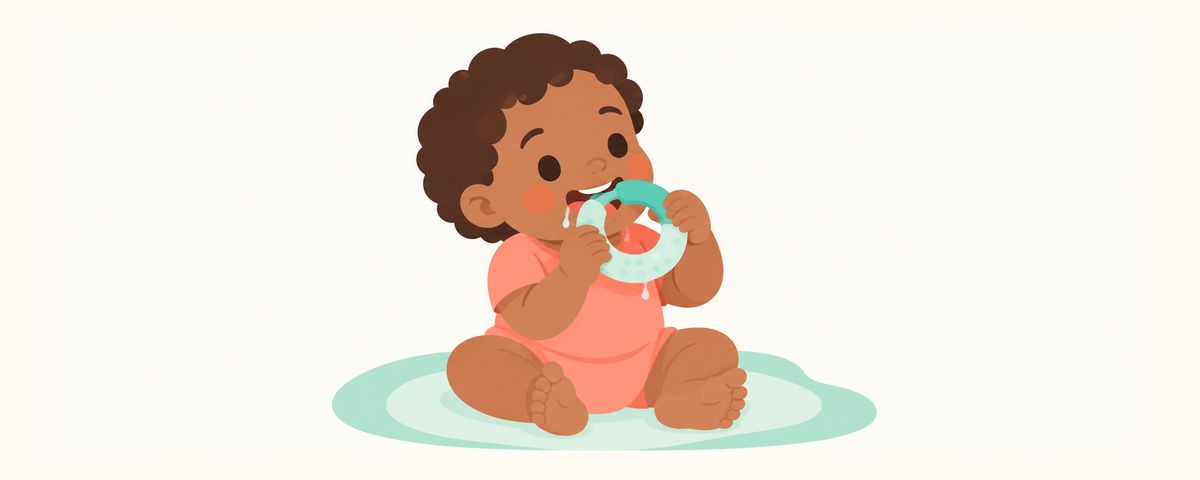 Teething: what's normal and what isn'tDrooling and fussiness are common, but high fever and diarrhea aren't from teething. Skip benzocaine gels.
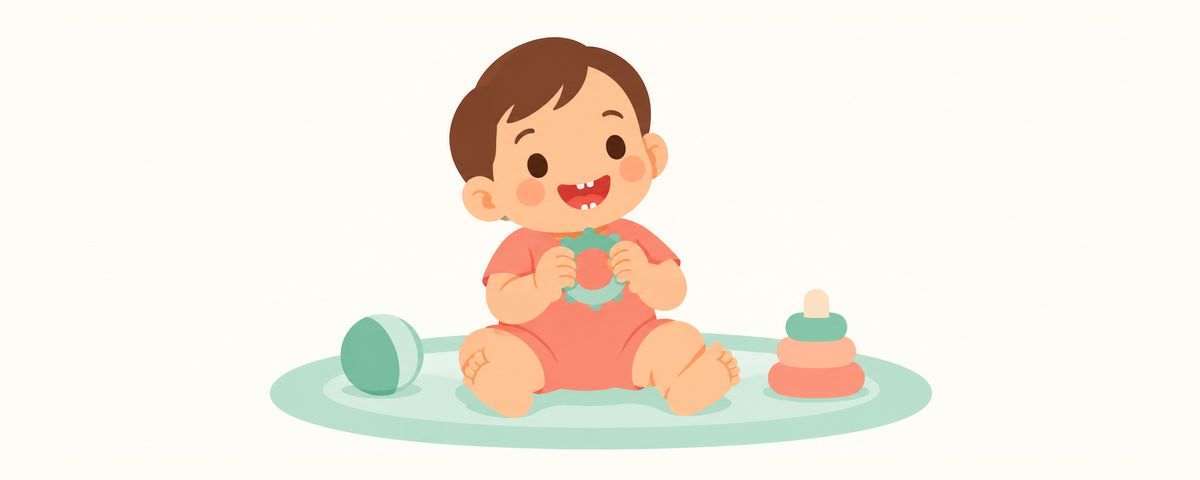 The first toothThe first tooth usually pops up around 6 months, bottom front first. Start fluoride toothpaste that day.
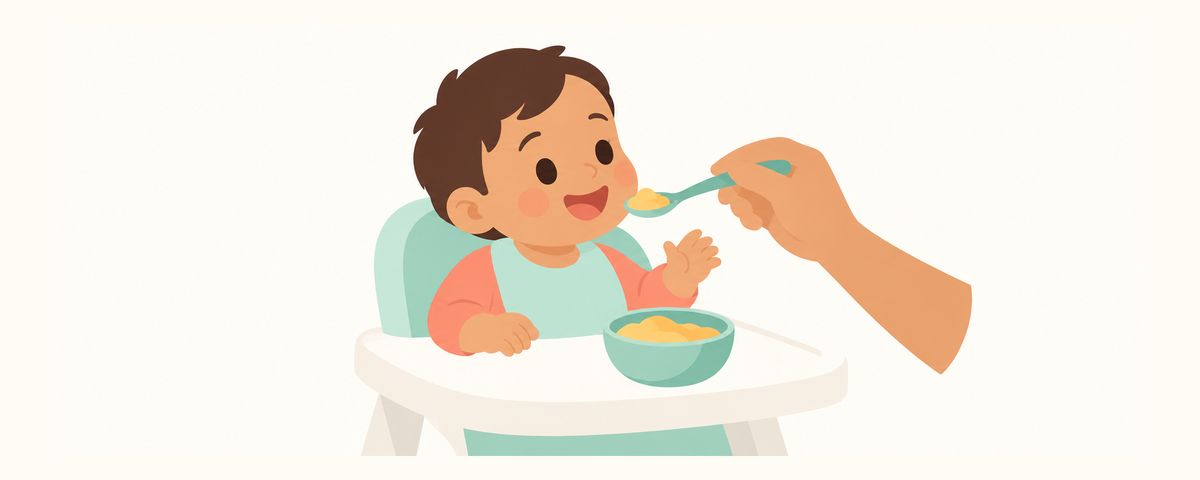 Starting solids without sugarNo sugar in baby food, and no fruit juice before 12 months. Meeting sweetness later helps prevent cavities.
 The order baby teeth come inAll 20 baby teeth usually arrive by about 30 months. Being about 6 months early or late is normal.
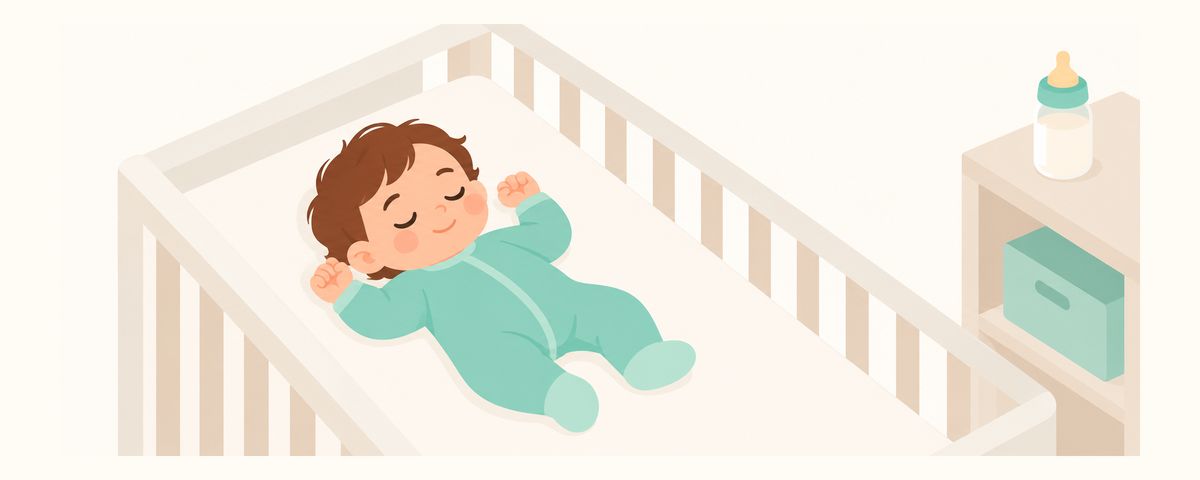 No falling asleep with a bottleFalling asleep feeding can cause cavities near the gums of the upper front teeth. Clean after night feeds.
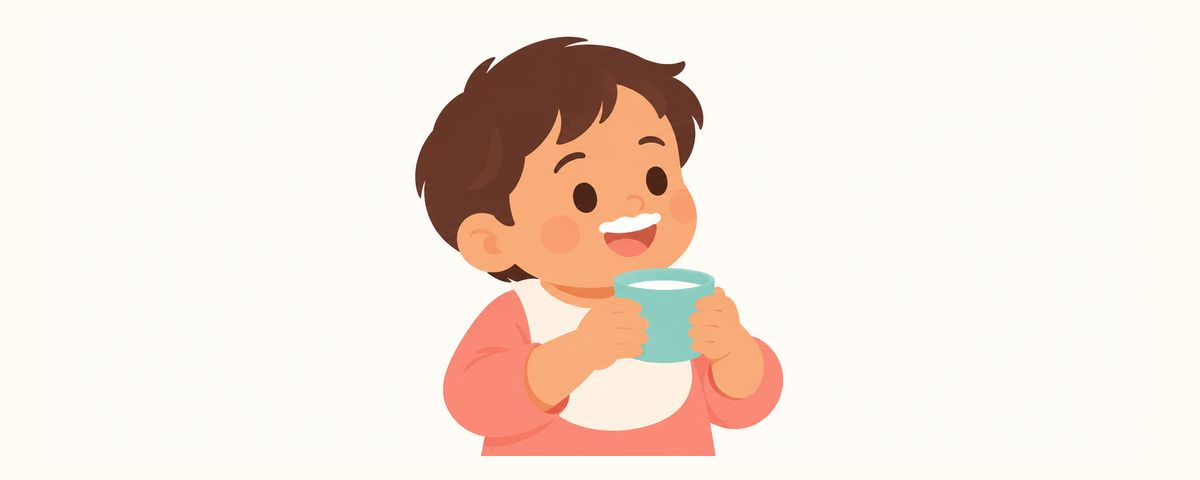 Learning to drink from a cupTime to try a cup! The goal is off the bottle by 12 to 18 months. Straw cups and open cups are recommended.
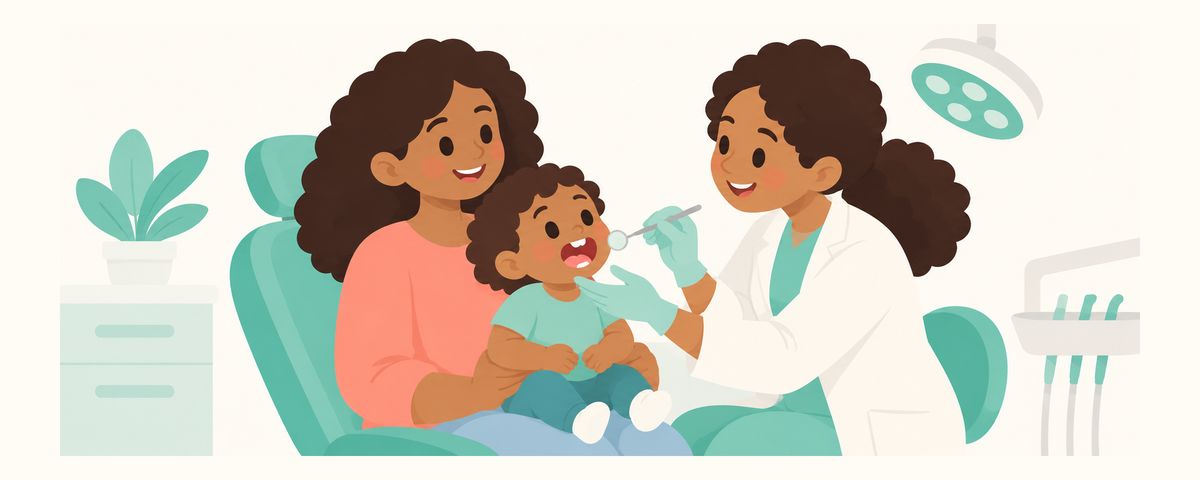 First dental visit by the first birthdayPlan the first dental visit within 6 months of the first tooth, and no later than the first birthday.
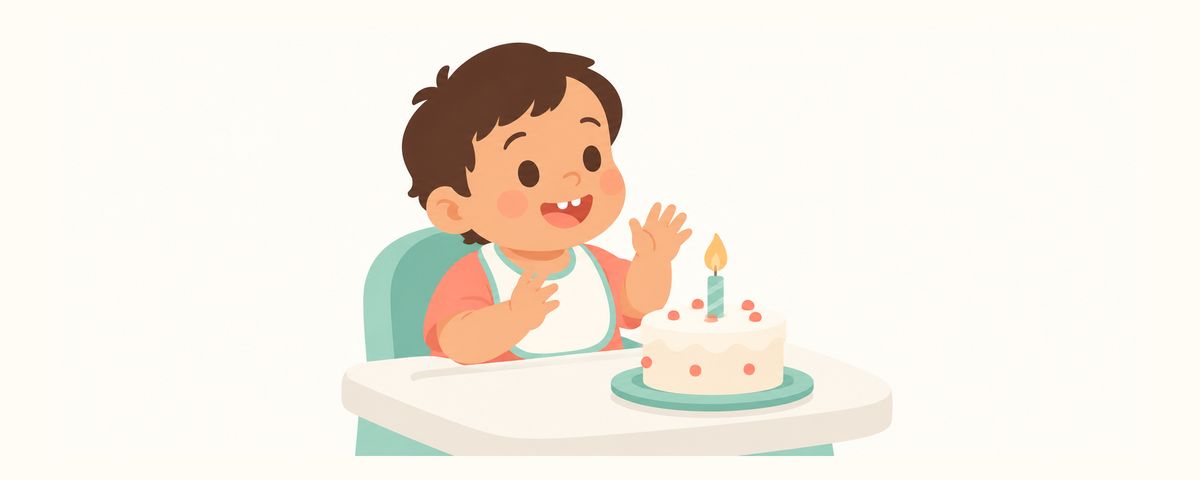 First birthday: an oral health check-inHappy first birthday! Wean from the bottle, brush twice a day, and start fluoride varnish if not yet.
Toddler (1–3)
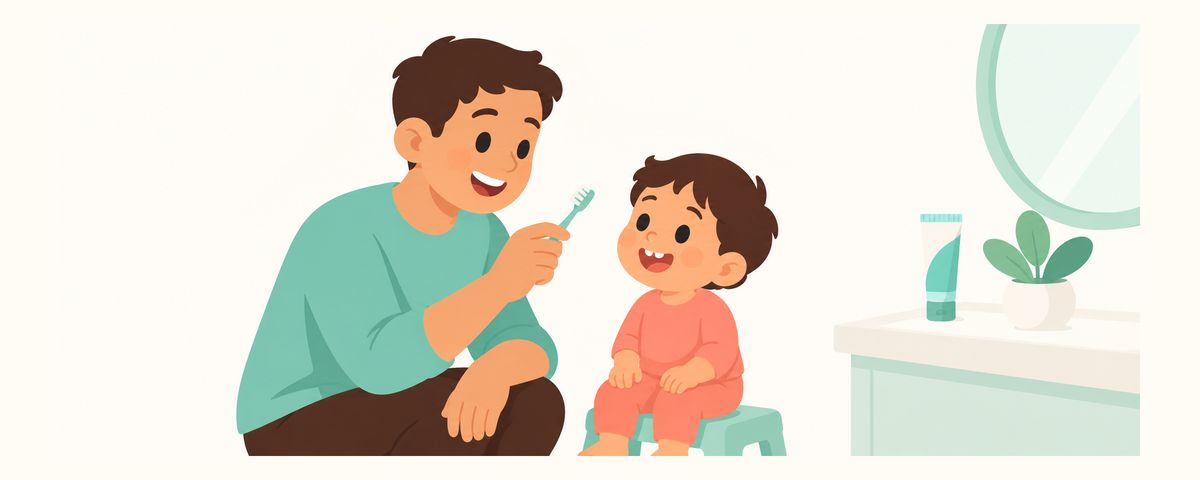 Is fluoride safe for my child?Used in the right amount, fluoride toothpaste is a proven way to prevent cavities. Here's what to know.
 Blisters and sores in the mouthWhen mouth blisters make eating and drinking hard, preventing dehydration matters most.
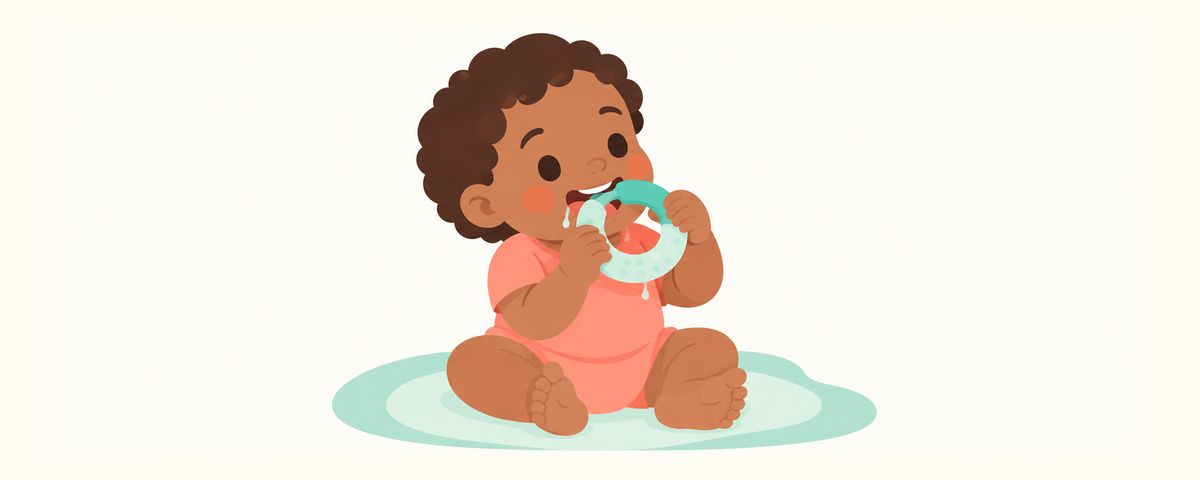 The first molars are coming inFirst molars usually arrive between 13 and 19 months. Brush into the grooves, and floss once teeth touch.
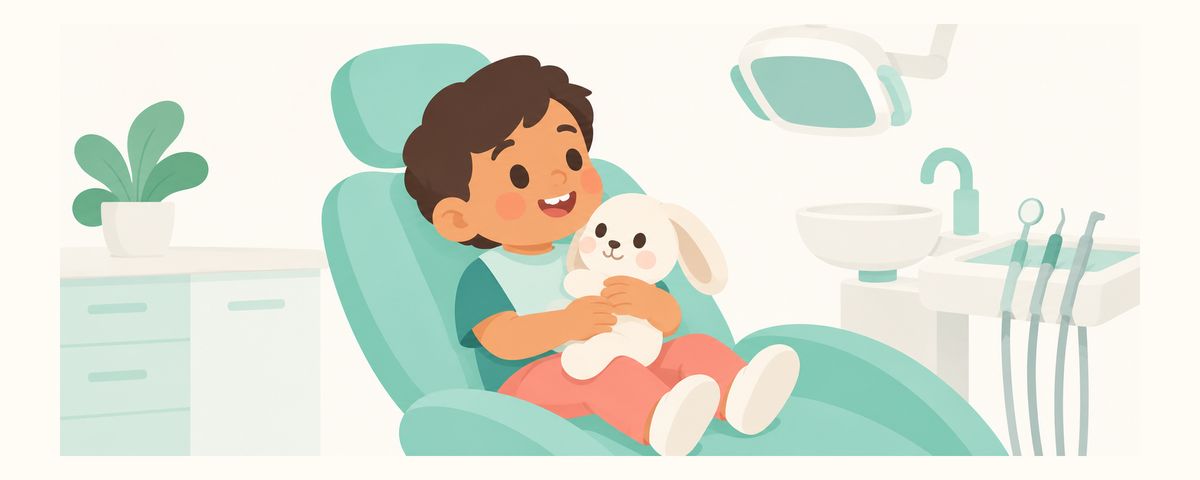 Canines come in, and it's checkup timeBaby canines usually come in between 16 and 23 months. It's a great time to start regular checkups.
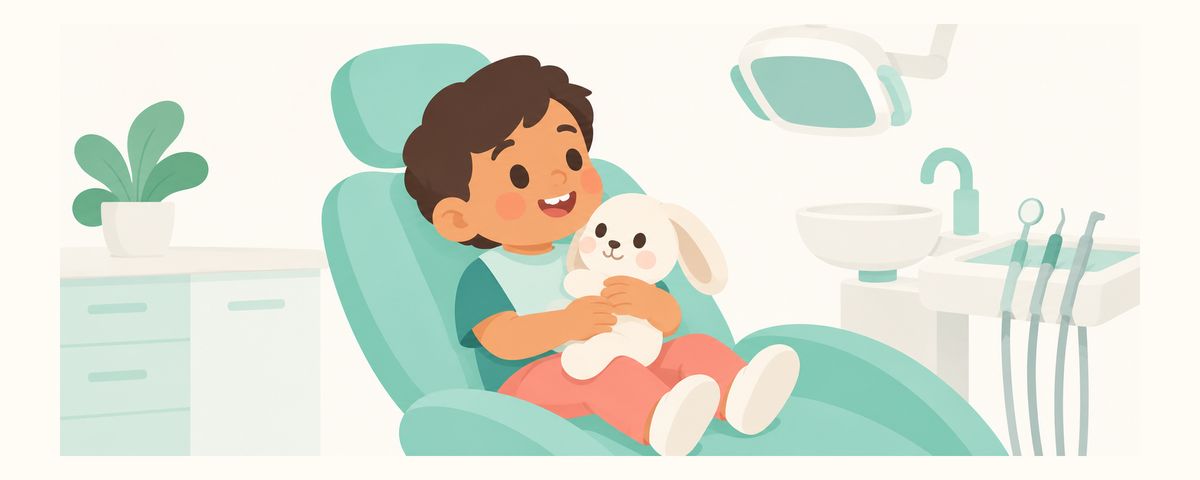 6-month checkupCavities don't hurt at first. A checkup and fluoride varnish every 6 months catch small changes early.
 Is the 'window of infectivity' still true?The idea that cavity germs spread only at 19 to 31 months is outdated. Sugar and fluoride matter more.
 Time to wind down night feedingsOnce teeth are in, night feeds or falling asleep with a bottle raise cavity risk a lot. Cut back slowly.
 Getting ready for the dentistGetting to know the dentist through books and play, and skipping scary words, makes visits much easier.
 Age 2: start by setting snack timesBoth how much and how often matter for cavities, especially how often. Offer only water between meals.
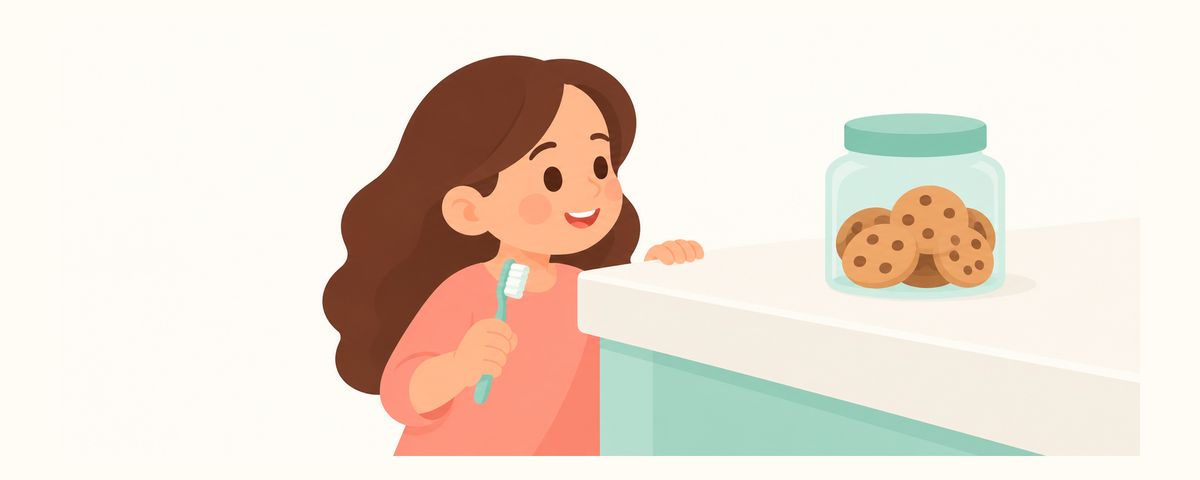 Does xylitol help prevent cavities?Xylitol is a less harmful sweetener than sugar, but the evidence for it as a cavity preventive is weak.
 The last baby teeth: second molarsSecond molars usually come in at 23 to 33 months. Once these four are in, all 20 baby teeth are here!
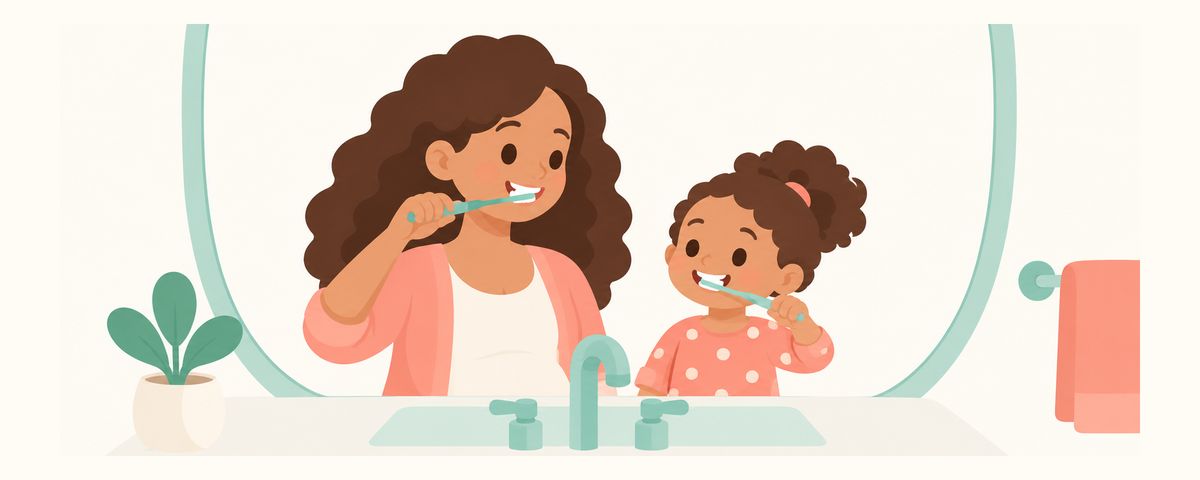
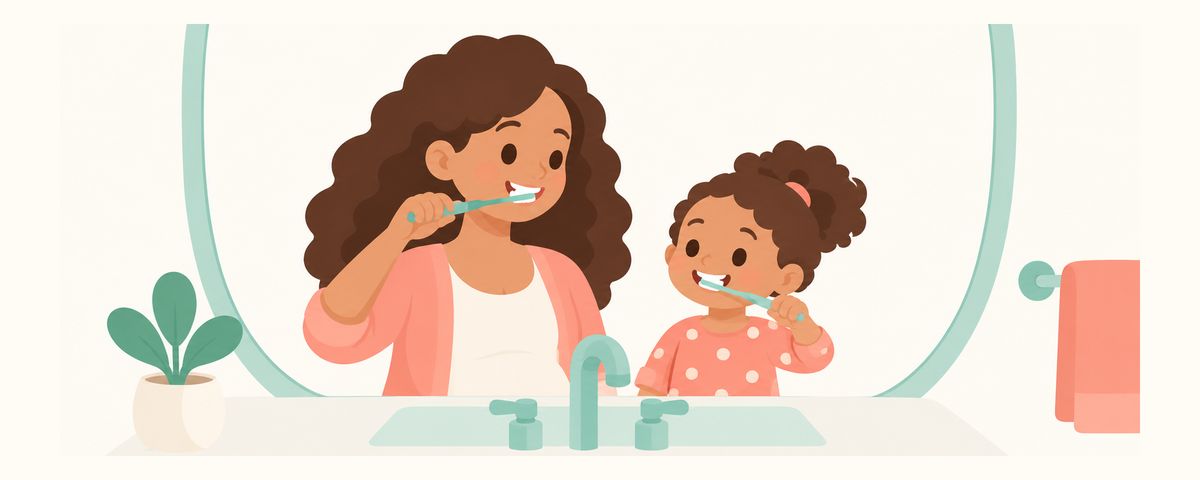 Child brushes first, parent finishesLet your child brush first, then finish up yourself. Use a 2-minute timer, and keep it up until age 7 or 8.
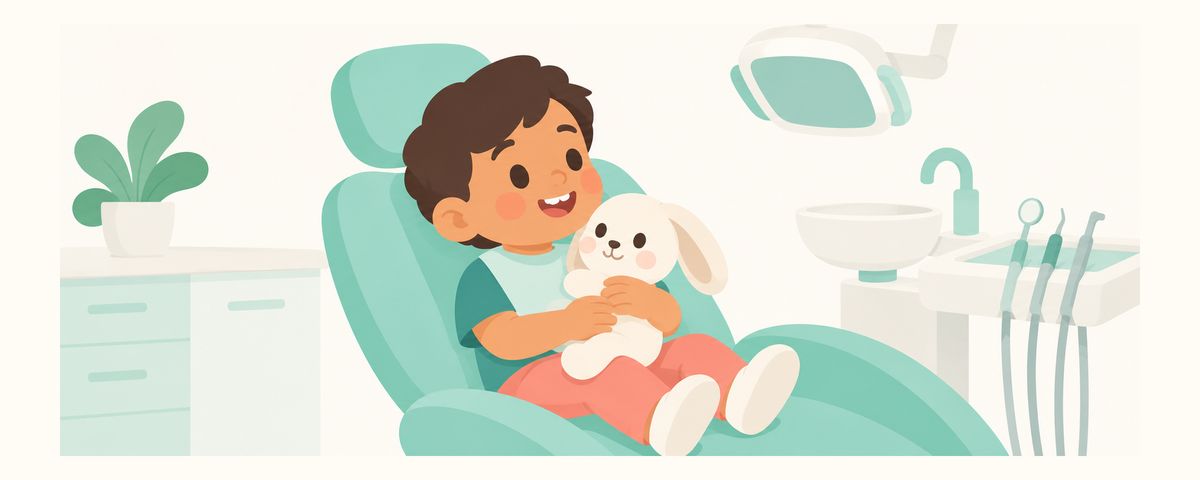 Fluoride varnish: why it's usedFluoride varnish is a concentrated fluoride painted on at the dentist. It helps reduce cavities in baby teeth.
 When a baby tooth gets hurtAfter a fall, a hurt baby tooth is usually just watched, and a knocked-out one is never put back.
 Age 3: pea-size toothpasteFrom age 3, use a pea-size amount of fluoride toothpaste and practice spitting. Wrap up pacifiers, too.
 Juice: 4 ounces a day, in a cup with mealsFor ages 1 to 3, keep juice to 4 oz (120 mL) a day, in a regular cup at meals. No sippy cup of juice all day.
Preschool (3–6)
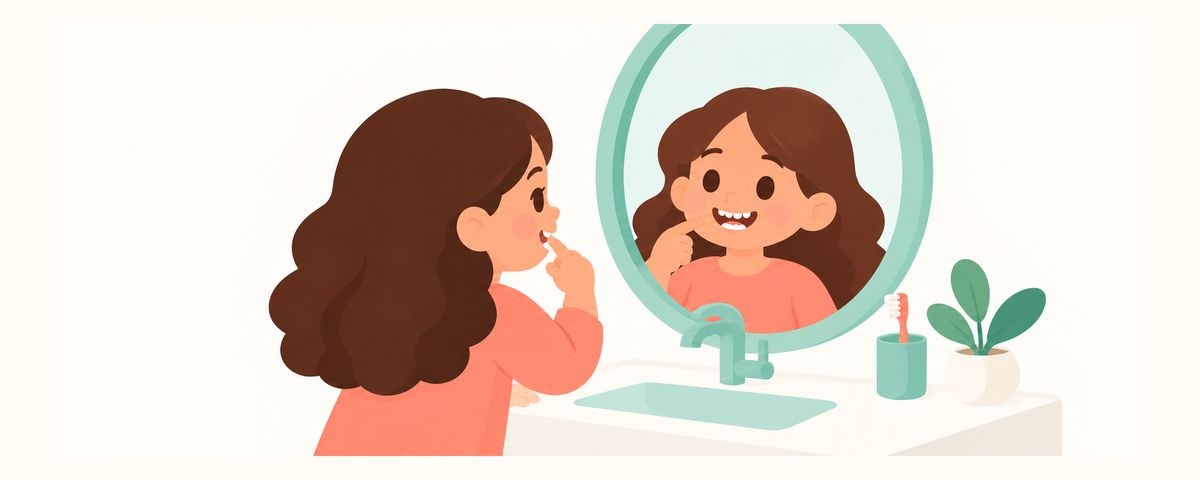 When teeth look black or yellowBlack stain near the gumline is harmless and the dentist can remove it. Never whiten a child's teeth at home.
 Why treat baby teeth that will fall out anyway?Baby molars stay until age 10-12. Untreated cavities can cause pain, infection, and harm to permanent teeth.
 A white line near the gums: the first sign of a cavityA chalky white spot near the gums may be an early cavity. Caught now, it can still be reversed.
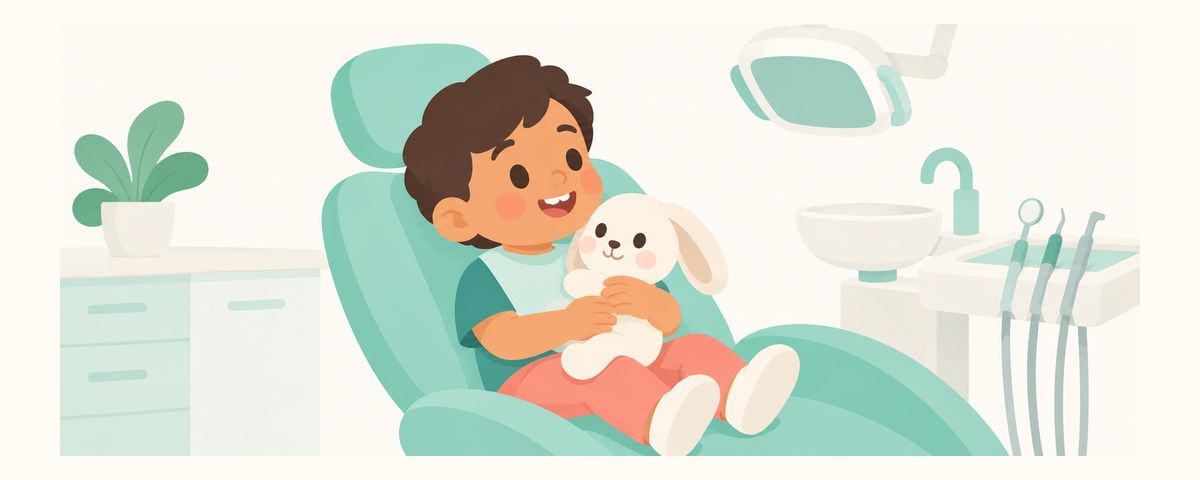 Is sedation or general anesthesia safe for dental treatment?Studies found one short anesthetic made no difference in kids' IQ. If it's suggested, check the safety setup.
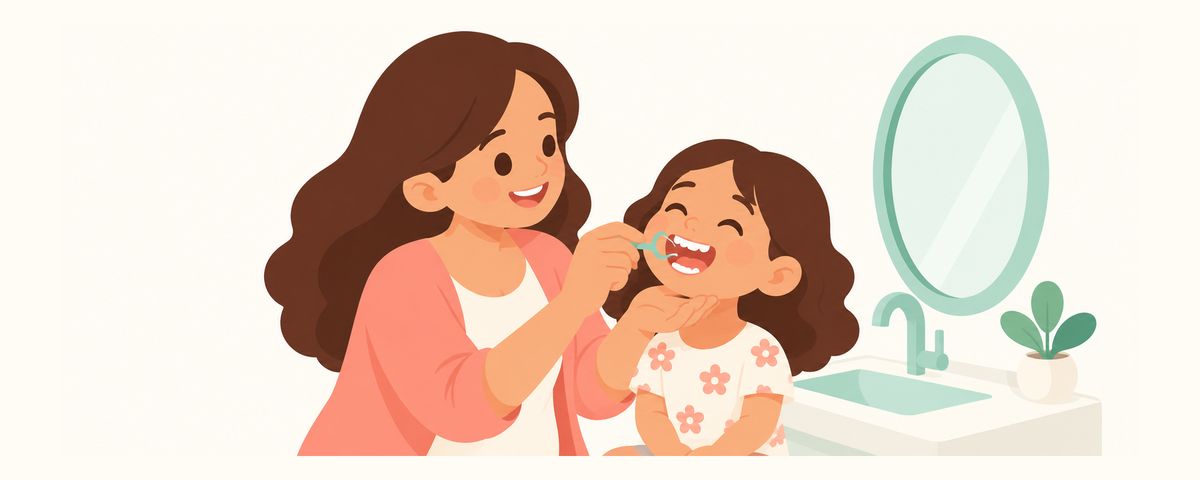 Cavities between the molars are invisibleAround age four, molars touch and cavities hide between them. Daily flossing and X-rays as needed catch them.
 Grinding teeth during sleepTeeth grinding is common in kids and fades with age. If snoring or breathing pauses come too, see a doctor.
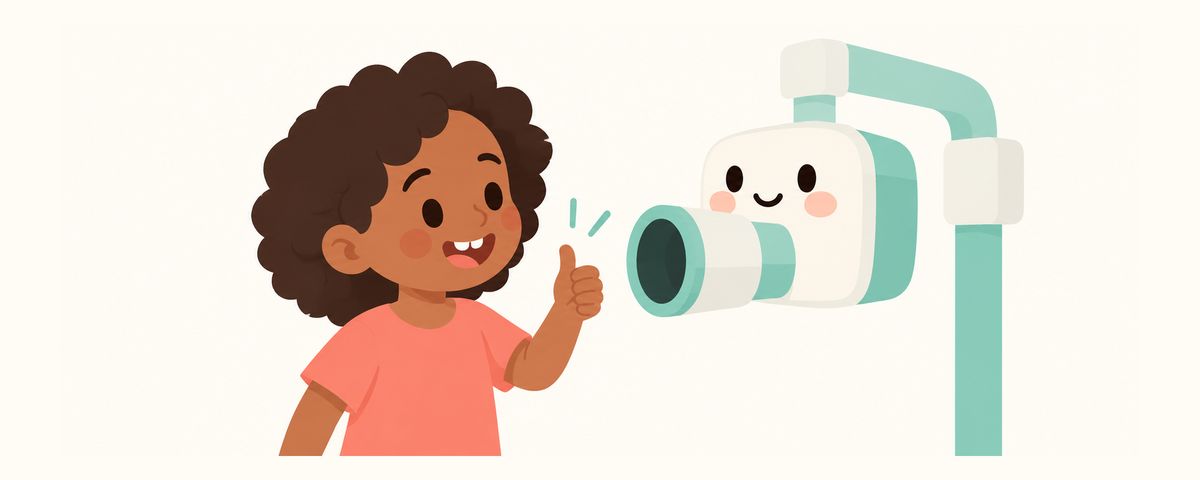 Are dental X-rays safe for my child?Dental X-rays use very little radiation, and skipping a needed one can mean a missed cavity.
 Sealants on baby molars: does my child need them?Sealants and fluoride varnish depend on cavity risk. Ask about your child's risk at the next checkup.
 Gaps between the front teeth: is that okay?Gaps between baby front teeth around age five are normal. The jaw is making room for bigger permanent teeth.
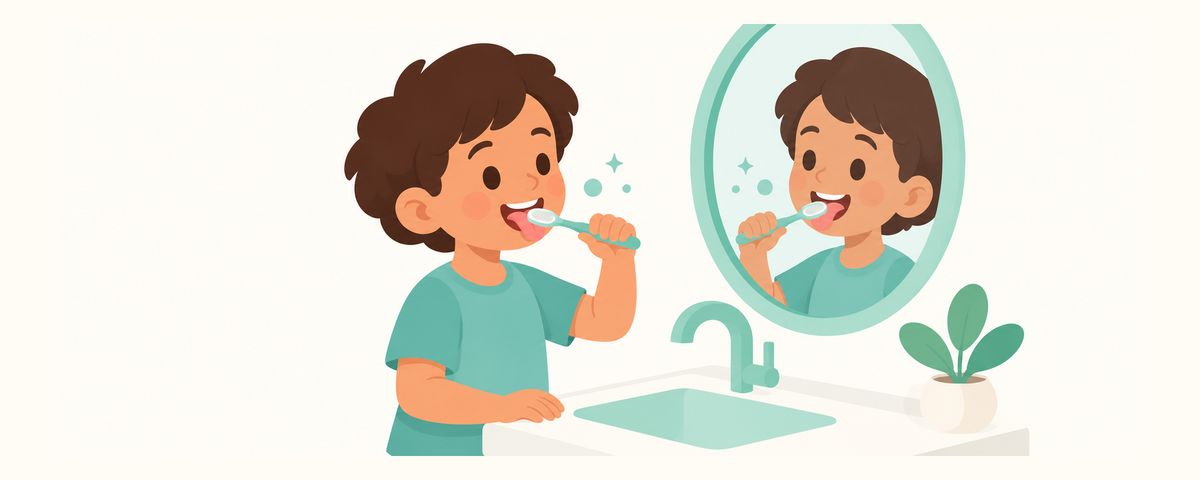 My child has bad breathMost bad breath comes from the tongue and plaque. Smelly discharge from one nostril may mean a stuck object.
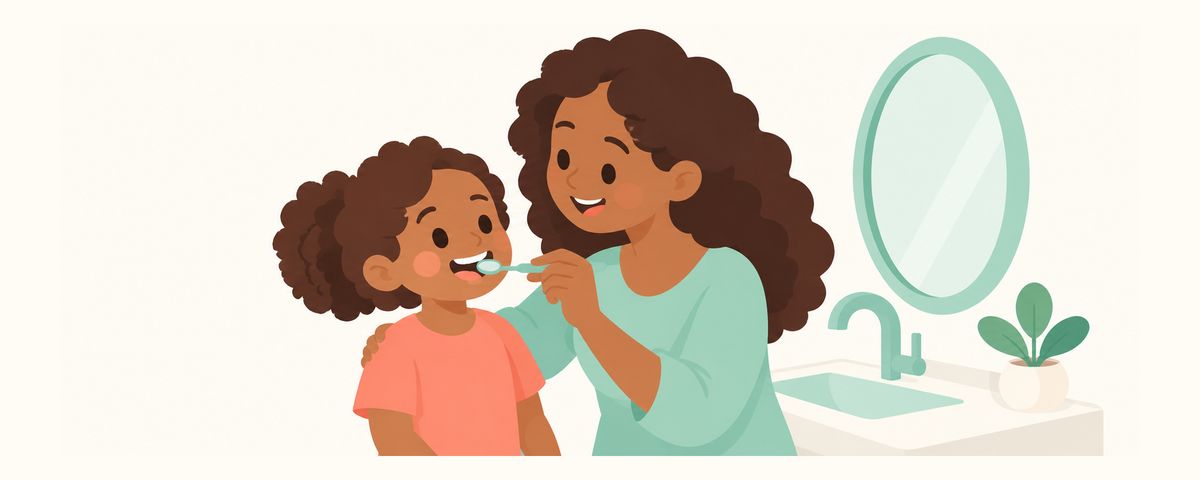 Six-year molars: permanent teeth that arrive without a loose toothThe first permanent molars sneak in behind the baby teeth. They're easy to miss, but they last the longest.
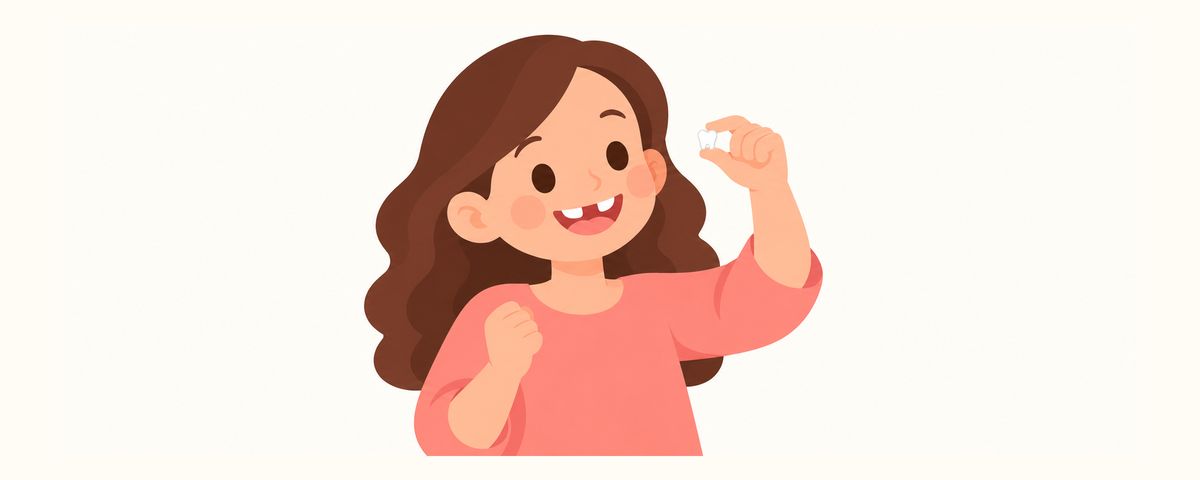 The first wiggly tooth: losing baby teeth beginsBetween six and seven, lower front teeth loosen and fall out. "Shark teeth" usually sort themselves out.
 Sleeping with the mouth open, and snoringMouth breathing and snoring can affect the bite and how the face grows. Don't brush it off. Find the cause.
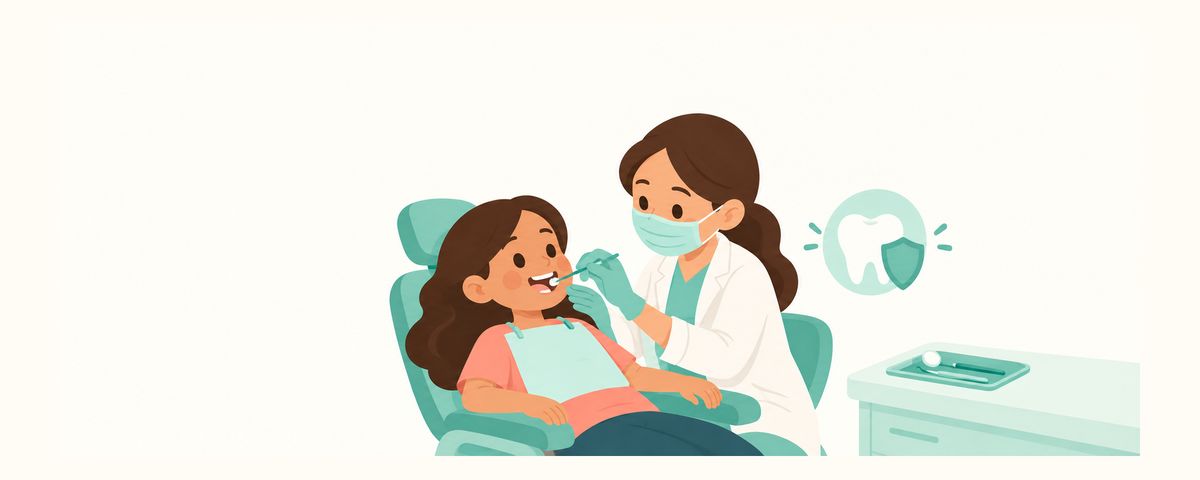 Six-year molars fully in? Time for sealantsOnce the six-year molars are fully in, seal the grooves right away. It's a top way to prevent molar cavities.
School age
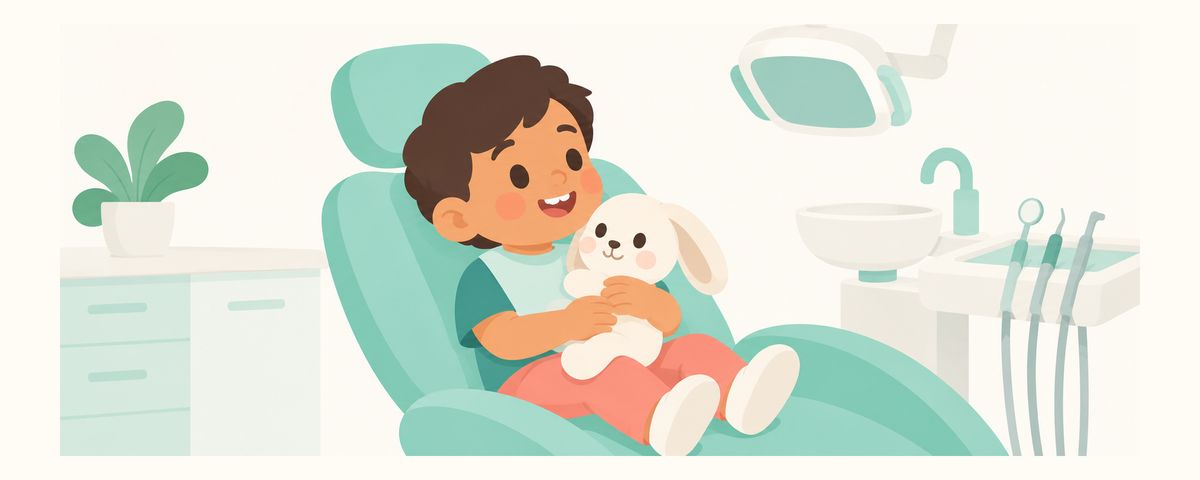 Age 7: time for a first orthodontic checkOrthodontists advise a first check around age 7. Most kids only need watching; some issues are easier early.
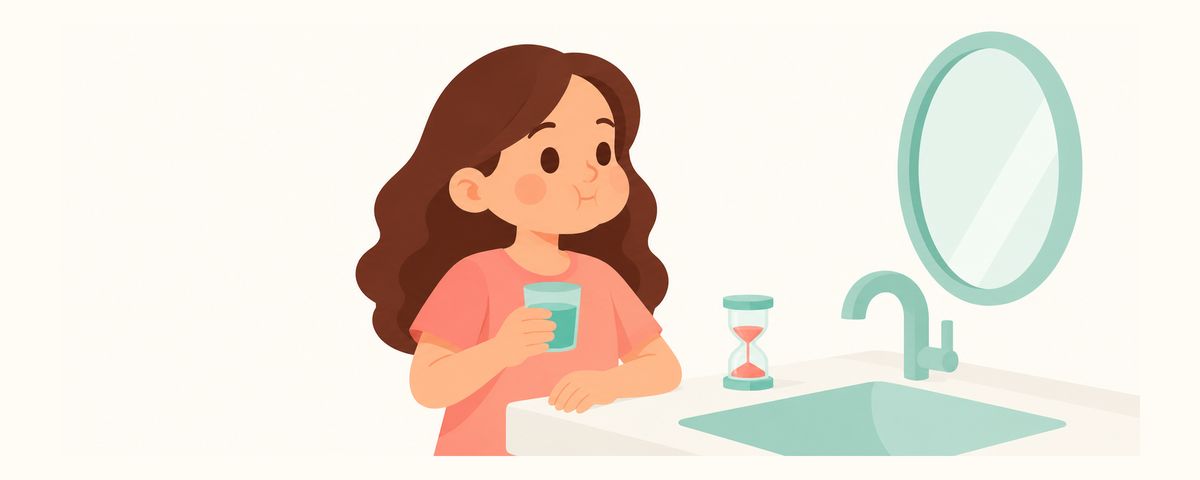 Fluoride mouth rinse: now an optionFrom age 6, once kids can spit without swallowing, fluoride rinse is an option for cavity-prone kids.
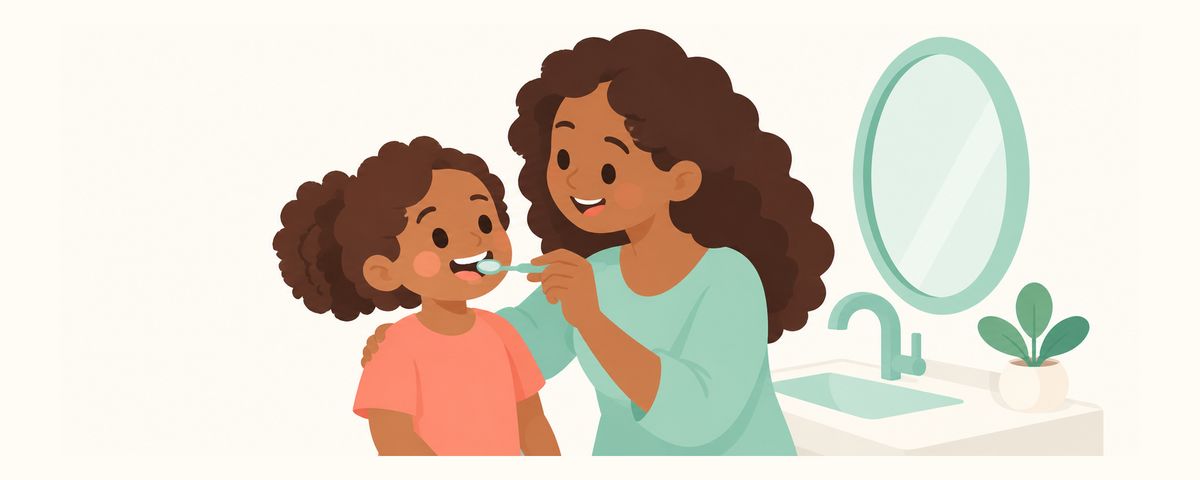 White or yellow patches on new molars?Patches on new molars or front teeth, especially if sensitive, may be MIH. Found early, it's easier to manage.
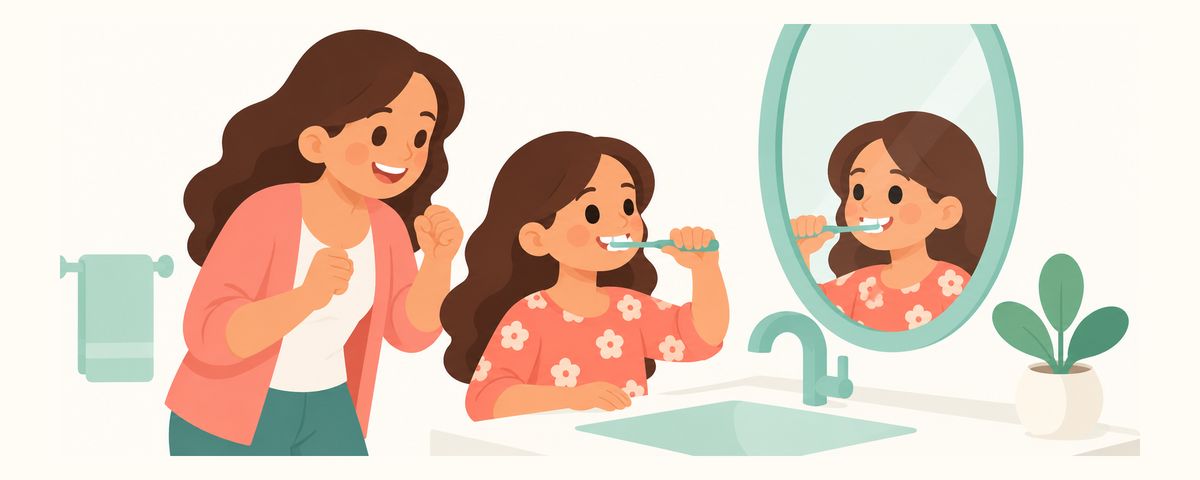 Age 8: the upper front teeth are changing overThe four upper front teeth are changing over. Big, yellowish, or gappy is normal. Time to test solo brushing.
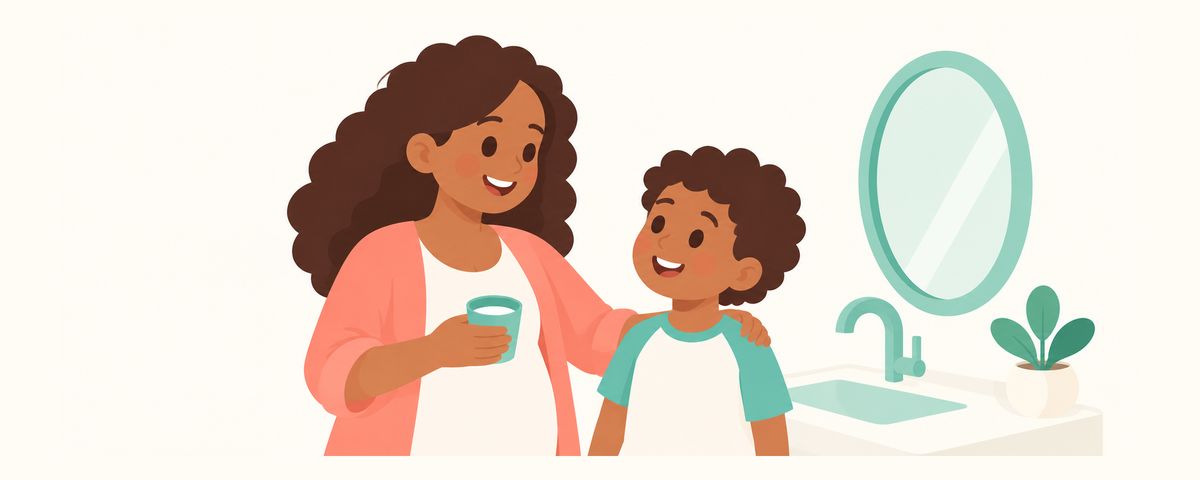 If a permanent tooth gets knocked outEvery minute counts. Don't touch the root. Replant it now, or bring it in milk to a dentist right away.
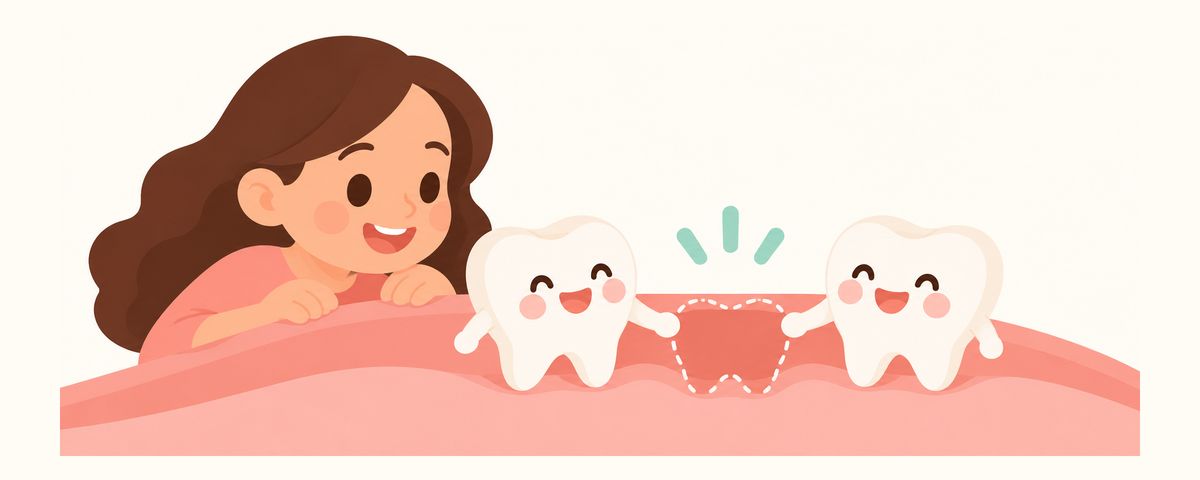 Lost a baby molar early? Save the spaceLose a baby molar early, and nearby teeth can tilt into the gap. Ask whether a space maintainer is needed.
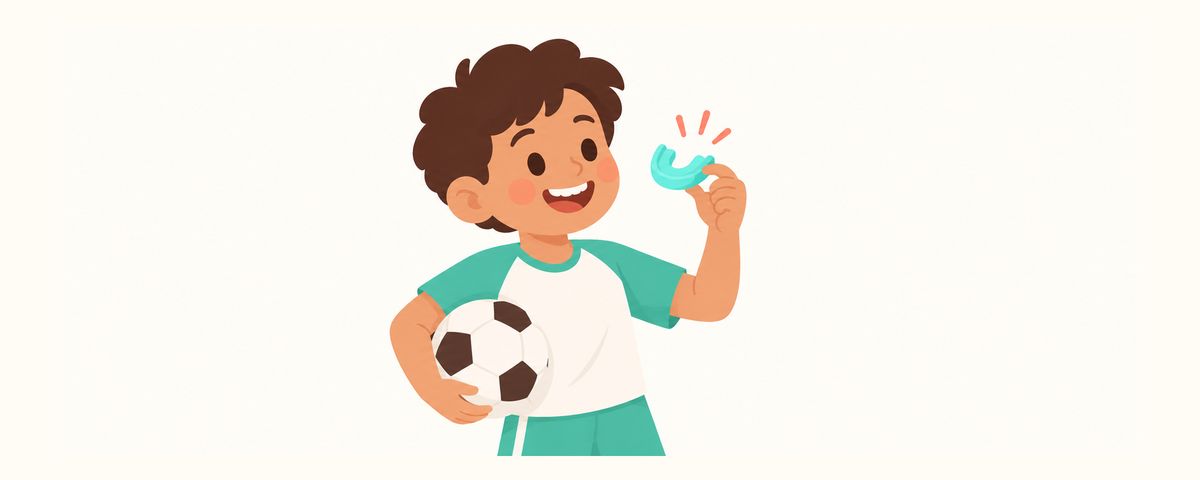 Mouthguards for sportsSoccer, basketball, martial arts, cycling: sports with bumps or falls call for a mouthguard. Custom fits best.
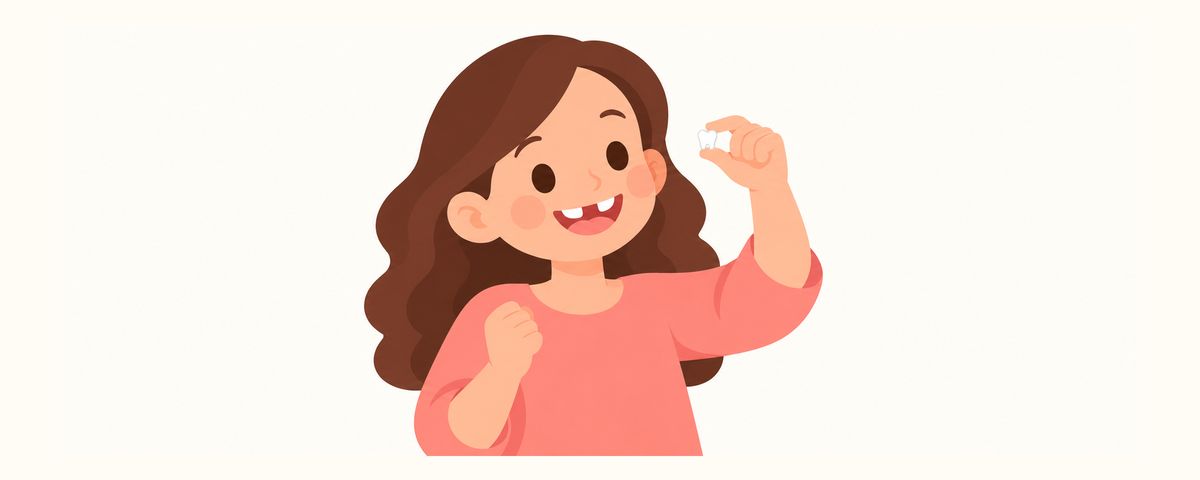 Age 10: molars and canines are changing overBaby molars are giving way to premolars, and baby canines to permanent ones. Don't force a loose tooth out.
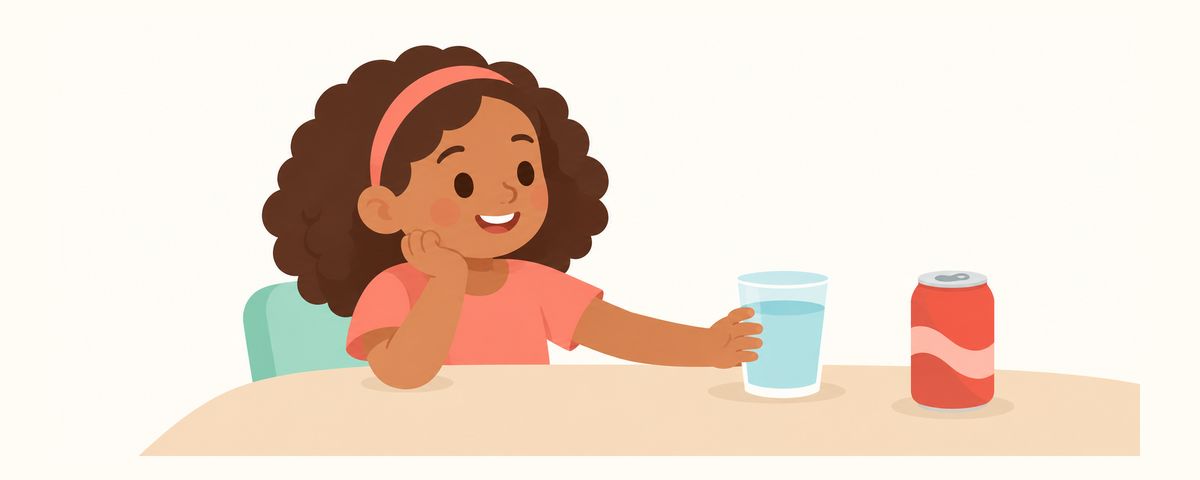 Soda, sports drinks, energy drinks, and erosionAcidic drinks wear down teeth, even sugar-free ones. Serve with a meal, use a straw, and wait to brush.
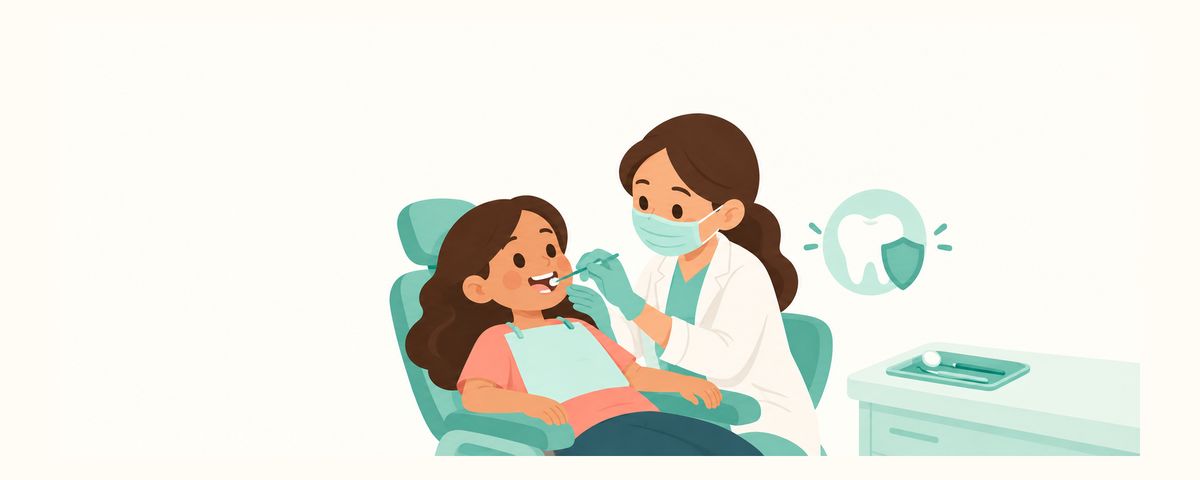 Second molars are coming: time for round two of sealantsBetween 11 and 13, new molars come in at the very back. They're easy to miss, so seal them once they're in.
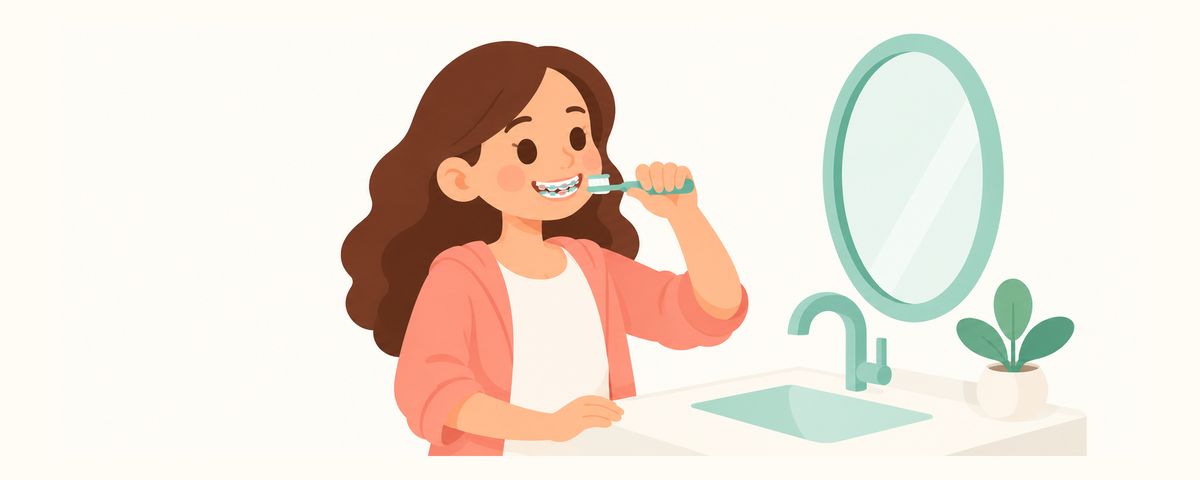 When full orthodontic treatment usually beginsAges 11 to 13 are when many kids start full orthodontic treatment. Braces change how you brush, too.
 Age 12: all 28 permanent teeth are in placeUsually by 12 to 13, all 28 permanent teeth are in. They're for life, so your child takes charge now.
Teens
 The HPV Vaccine and Oral HealthHPV is a leading cause of cancer at the back of the mouth and throat. The vaccine is advised at 11 to 12.
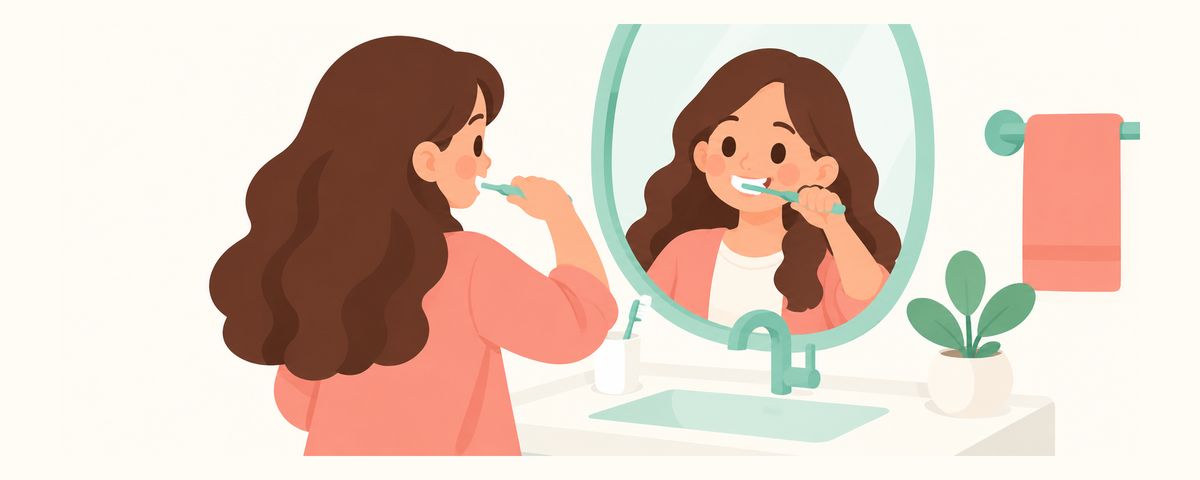 Puberty and Puffy GumsPuberty hormones make gums react more to plaque. If they bleed, brush more carefully, not less.
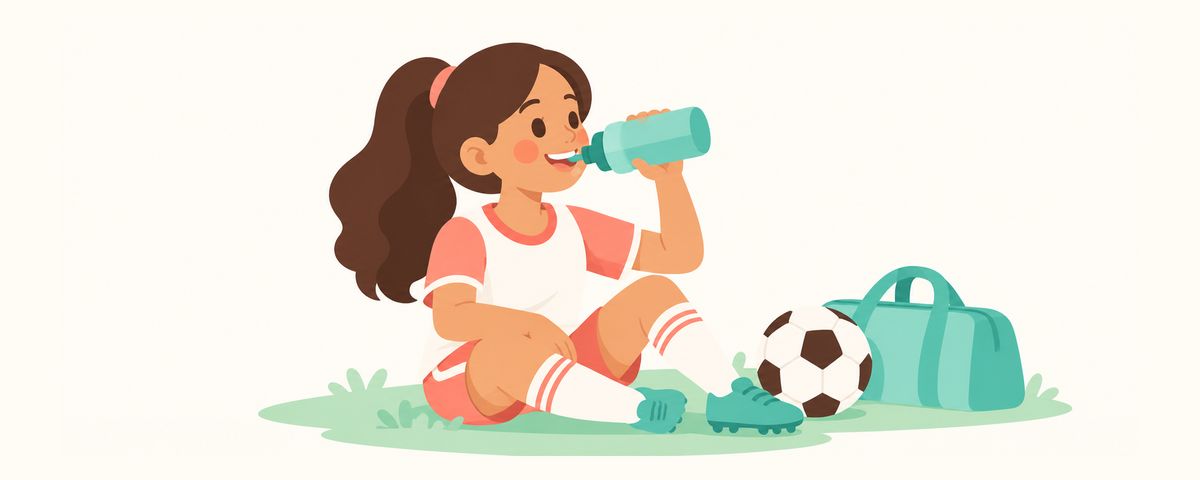 After Practice, Reach for WaterAcidic, sugary sports and energy drinks wear away enamel. For everyday exercise, water is all your child needs.
 Smoking, Vaping, and Nicotine PouchesVapes and nicotine pouches are tobacco too. Share the risks, and start with a talk rather than a lecture.
 Teeth Whitening and Oral PiercingsWhitening for teens is decided with a dentist. Tongue and lip piercings risk chipped teeth and receding gums.
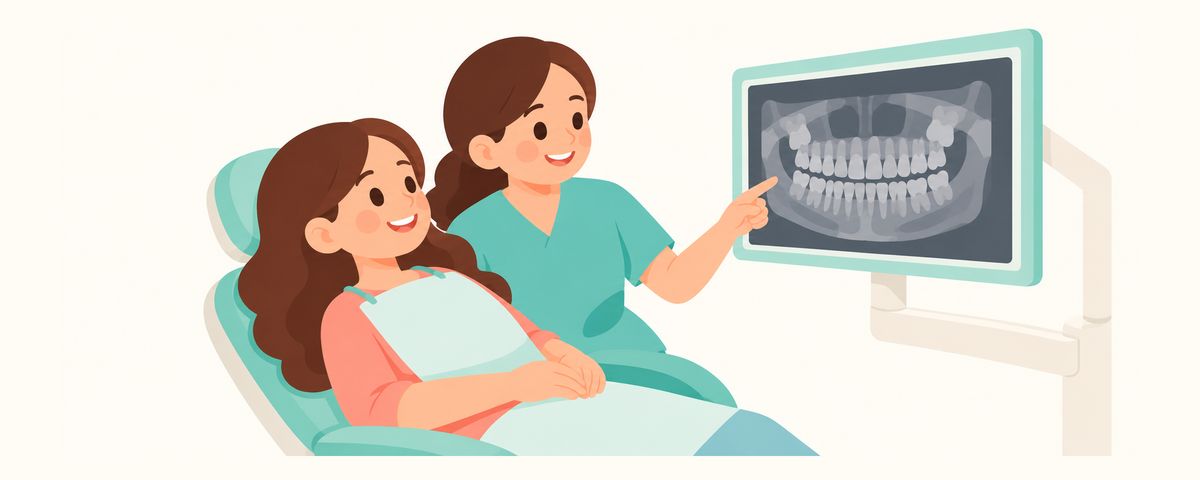 Time to Check on Wisdom TeethIn the mid-to-late teens, an X-ray checks the wisdom teeth if needed. Removal is decided tooth by tooth.
 Frequent Vomiting and Tooth ErosionRepeated vomiting or reflux wears the inside of the upper front teeth first. Dentists may spot it first.
 Getting Ready for Adult Dental Careyour child should now be able to book visits and explain their dental history. Export the app's records together.
 Eighteen: Five Habits for LifeFluoride toothpaste twice a day, daily floss, checkups, less sugar and acid, no tobacco. Five habits for life.
Through the year
 New year, new oral care habitsStart the year with a fresh toothbrush, a brushing timer, and this year's checkups on the calendar.
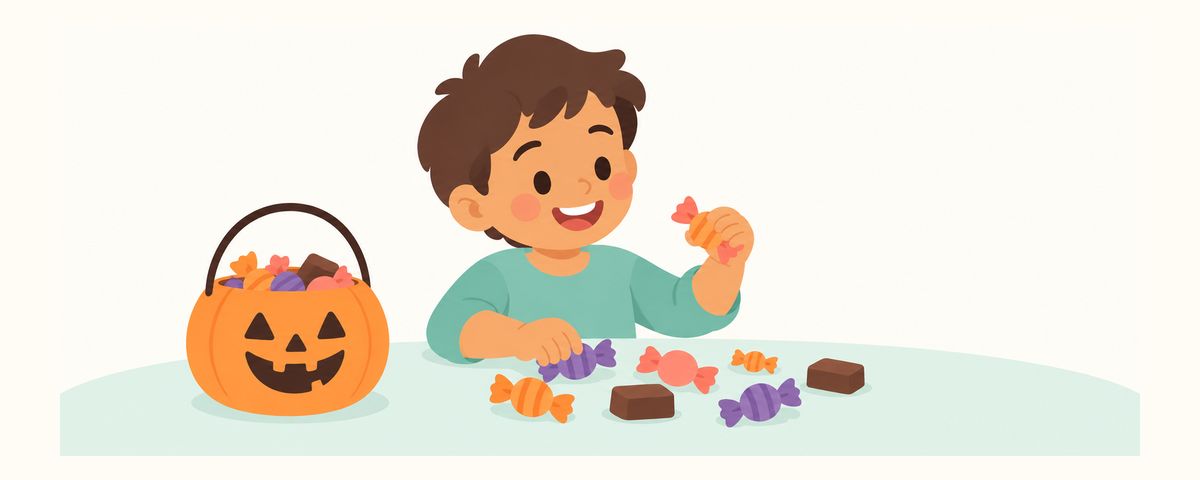 Getting through candy seasonWith candy, how much and how it's eaten both matter. One sitting, skip sticky kinds, brush before bed.
 Summer: pools, bikes, and tooth injuriesDental injuries go up in summer. Know about helmets, mouthguards, and what to do if a tooth gets knocked out.
 Checkup before winter break, snack rules during itA checkup before break, plus set snack times during it, takes a lot of the cavity worry out of the holidays.
 Back to school, with a fresh start for teethNew school year: a new toothbrush, a look at the school dental screening, and a water rinse after lunch.