 Tooth Calendar Blog
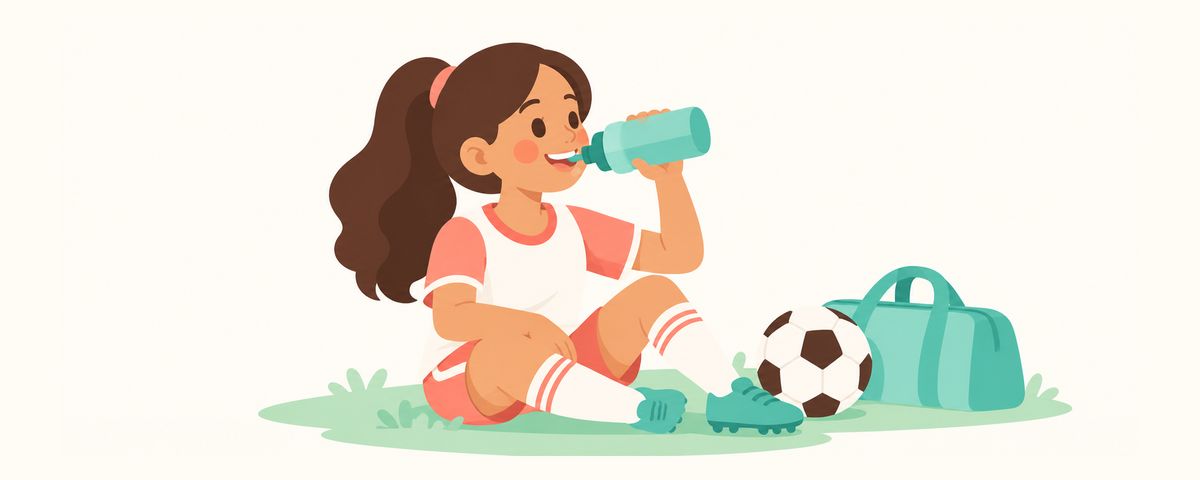
After Practice, Reach for Water: Sports Drinks, Energy Drinks, and Teen Tooth Erosion
Sports and energy drinks are acidic and sugary, and they wear away enamel. Why water is enough after everyday exercise, drinking tips, and early warning signs.
At a glance
- During and after exercise, water is all they need
- Sports and energy drinks are acidic and full of sugar
- If they have one, rinse with water and wait about an hour to brush
Lots of teens grab a sports drink after practice out of habit. Some reach for energy drinks during exam season, too. Here's how these drinks affect teeth and what athletic kids should drink instead, written so parents and teens can read it together.
Why sports drinks wear away teeth
The outer layer of a tooth (enamel) is the hardest tissue in the body, but it's weak against acid. When an acidic drink touches the teeth, the surface softens a little. When that happens again and again, the surface slowly dissolves and thins. This is called erosion. Cavities come from acid that bacteria make when they feed on sugar. Sports and energy drinks are highly acidic and full of sugar, so they can bring on erosion and cavities at the same time.
How teens drink matters most. Holding a bottle and taking little sips all through practice keeps the teeth bathed in acid with no break. Saliva normally washes away acid in the mouth and helps the tooth surface recover, but nonstop sipping leaves no time for that. Breathing through the mouth during exercise also dries the mouth out, which doesn't help. That's why drinking plenty of water during exercise is a good idea.
Erosion happens slowly, so it's hard to notice at first. Common early signs are teeth that hurt with cold water, or front teeth whose edges look see-through, like glass. Changing habits as soon as you notice these changes helps keep it from getting worse.
So do teens really need these drinks for sports? For most exercise, water is all that's needed to stay hydrated. Unless the exercise is long and intense, regular meals replace the electrolytes lost in sweat just fine. Energy drinks are especially acidic and high in caffeine, so they're not recommended for teens.
Start by packing a water bottle
Rather than banning drinks outright, explain why so your teen can choose for themselves, and start by changing easy habits.
- Make a water bottle a standard item in the sports bag. With water on hand, there are fewer trips to the convenience store.
- Drink water during and after exercise. Keep the bottle close so it's easy to drink when thirsty.
- For long, intense exercise, or exercise in the heat, replacing fluids and electrolytes as needed, a little at a time, comes first. But outside of exercise, don't let sipping sports drinks become a habit.
- Afterward, drink water or rinse the mouth with water.
- Don't brush right away. Wait about an hour, and rinse with water in the meantime. Scrubbing a surface softened by acid can wear it down more, so this gives saliva time to help the surface recover.
- Keep up brushing twice a day with fluoride toothpaste as usual.
A common mistake is thinking of sports drinks as "healthy because they're for exercise" and keeping cases of them in the fridge. Make it easy to grab water at home too, so your teen can see the rule: water is the default, other drinks are once in a while.
When you talk with your teen, connect it to performance instead of scaring them. Keep it short, like "Water is what your body needs to perform. Taking care of your teeth is part of training, too." They may feel left out because all their friends drink them. In that case, agree on certain days when it's okay, and set the routine together: no sipping outside of exercise, and rinse with water afterward. That makes it easier to accept.
Frequently asked questions
Is it okay to water down a sports drink?
Even diluted, the acid and sugar are still there, and it's easy to end up sipping it even longer. For everyday exercise, drinking water is the simplest and surest choice.
Are sugar-free drinks okay?
Less sugar lowers the cavity risk, but if the drink is acidic, it still wears away teeth. Making water the default matters more than which drink you pick.
What about games or training that last several hours?
For long, intense exercise, or exercise in the heat, replacing fluids and electrolytes as needed, a little at a time, comes first. After the exercise is over, don't keep sipping out of habit, and rinse with water afterward.
Isn't it better to brush right after drinking?
Right after an acidic drink, the tooth surface is softened. Rinse with water first, and brush about an hour later.
Can erosion be reversed?
Enamel that has dissolved away doesn't grow back. That's why it's important to change habits as soon as early signs show and have the dentist take a look.
When to see the dentist
- Teeth often hurt with cold water or sweets
- The edges of the front teeth look see-through
- The tooth surfaces look unusually smooth and worn
- Your teen has been having sports or energy drinks almost every day
- A tooth hurts, or you see brown or black spots
English ebook · Dentist Ingyoon An
A guide to the decisions behind dental care
Tooth Calendar follows dental care from pregnancy to eighteen in 78 chapters. Explore the reasons behind feeding, brushing, baby-tooth decay, sedation, and injury decisions—including what can be watched and when to seek help. Age-based contents and a topic index help you find the concern you have today.
Get these at the right time
Enter your child's birth date (or due date) in the Tooth Calendar app and these articles arrive as reminders when they matter. Free, no sign-up.
Sources
- ADA · Dietary Acids and Your Teeth (MouthHealthy) (2024)
The information in this article is for general educational purposes and does not replace professional dental care. Talk to a dentist about your child's condition.