 Tooth Calendar Blog
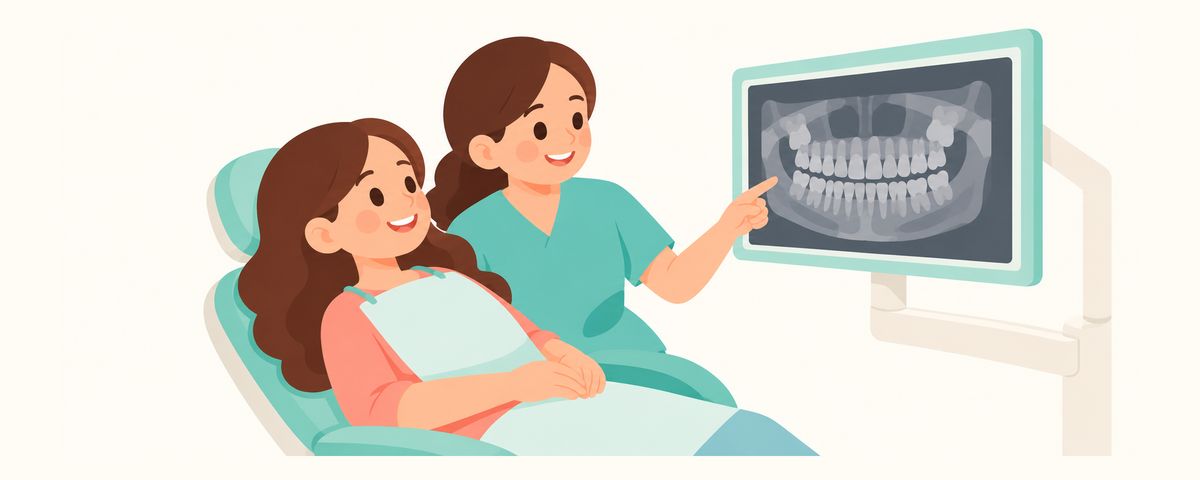
Moving From a Pediatric Dentist to Adult Care: Teaching Teens to Book and Track History
Before switching to an adult dentist, help your teen book visits and explain their own dental history. A one-page history, record copies, and when to switch.
At a glance
- Let your child book the next checkup
- Put the dental history on one page
- Ask for a copy of the records before switching
Once your child is in high school, you may start to wonder, "How long should we keep going to the pediatric dentist?" More important than the date of the switch is whether your teen is ready to take care of their own teeth. Here's what parents and teens can do together before moving to adult dental care.
The key isn't switching, it's handing over
As the move from a pediatric dentist to an adult practice gets closer, the American Academy of Pediatric Dentistry (AAPD) recommends preparing teens to manage their own oral health before making the switch. It's not an automatic move at a set age. Your teen, you, and the dentist talk it over and decide on the right time together.
Until now, you've probably handled most of the booking, explaining symptoms, and making treatment decisions. But soon your teen will go to the dentist alone, say what's bothering them, and choose treatments. So the key at this stage is letting your teen take the lead. You take a step back into a supporting role.
There are many benefits to your teen knowing their own dental history. A new office won't need to repeat the same tests, and your teen can give accurate safety information like allergies and medications.
Now your teen is in charge
Rather than handing everything over at once, give them one small task at a time.
- Book it themselves: Have your teen call or schedule the next checkup on their own. At first, just listen nearby, and afterward, tell them what they did well.
- Go in alone: Practice going into the treatment room alone and talking with the dentist directly. You wait in the waiting room and come in only when needed.
- Make a one-page history: Put the dental history on one page. The app's export feature makes this easy.
- Cover what matters: Include fillings, sealants, braces, wisdom teeth, allergies, and medications, without leaving anything out.
- Know the retainer rules: If your teen wears a retainer, make sure they know the wear schedule and what to do if it's lost.
Many teens find that first booking call hard. Having them jot down just their name, date of birth, preferred date, and whether it's a checkup or a specific problem before they call makes it much easier. Before a visit, it's also good practice to write two or three lines in a phone note about "anything bothering me lately" and "questions I have."
The one-page history doesn't need to be fancy. Writing down roughly when they had which treatments, any appliances they use or medications they take, and any allergies, in words your teen can read and understand, is enough. As you put it together, tell them, "This is information you need to know yourself."
A common mistake is answering for your teen in the treatment room. Even if they hesitate, give them a moment. Saying for themselves "what's bothering me and since when" is the experience they need to get care on their own.
Frequently asked questions
At what age do we have to switch?
There's no set age. It depends on how ready your teen is and whether treatment is ongoing, so decide together with your current dentist.
My teen is in the middle of orthodontic treatment. Can we switch now?
If braces or wisdom tooth treatment is in progress, it's usually best to finish with the current office before switching. That way the treatment plan and records stay in one place.
Why get a copy of the records ahead of time?
Seeing past treatments and X-rays helps a new office understand your teen's teeth quickly, and it cuts down on retaking the same X-rays. Once you've chosen where to go, it's easiest to request them in advance.
My teen still finds it hard to go alone.
That's okay. Start by going together and waiting in the waiting room. Handing over booking, checking in, and the visit itself one step at a time helps them get used to it naturally.
Talk with the dentist ahead of time when
- Braces or wisdom tooth treatment is still in progress
- College or a move will make it hard to keep going to your current dentist
- A retainer has been lost or broken
- Your teen has a new allergy or a new medication
- It's hard to decide which practice to switch to, or when
English ebook · Dentist Ingyoon An
A guide to the decisions behind dental care
Tooth Calendar follows dental care from pregnancy to eighteen in 78 chapters. Explore the reasons behind feeding, brushing, baby-tooth decay, sedation, and injury decisions—including what can be watched and when to seek help. Age-based contents and a topic index help you find the concern you have today.
Get these at the right time
Enter your child's birth date (or due date) in the Tooth Calendar app and these articles arrive as reminders when they matter. Free, no sign-up.
Sources
- AAPD · Adolescent Oral Health Care (2021)
The information in this article is for general educational purposes and does not replace professional dental care. Talk to a dentist about your child's condition.