 Tooth Calendar Blog
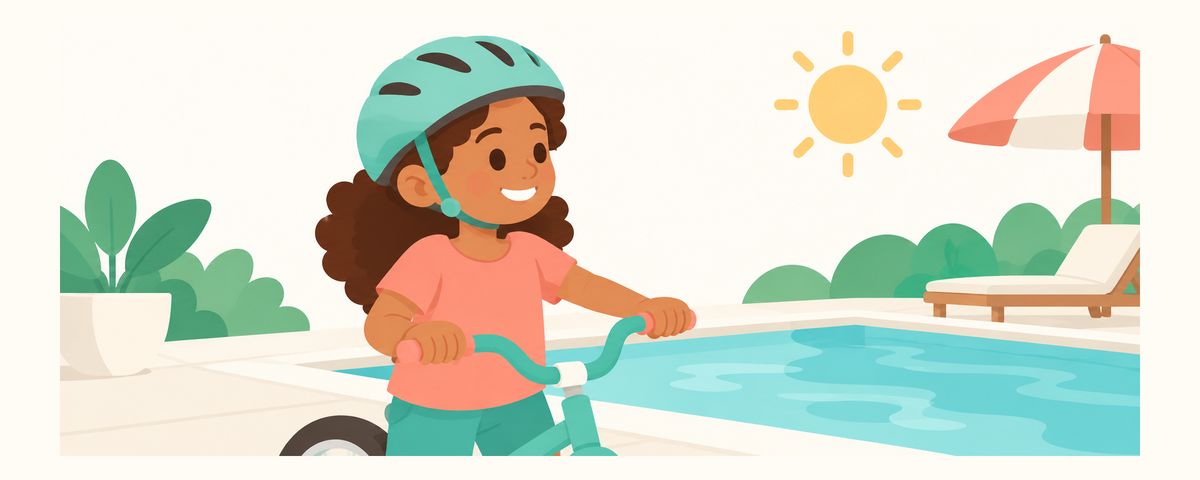
Summer Pools, Bikes, and Tooth Injuries: Helmets, Mouthguards, Knocked-Out Tooth First Aid
Tooth injuries go up in summer with pools and bikes. Protective gear, pool rules, and what to do right away if a permanent tooth is knocked out.
At a glance
- Helmets for bikes, mouthguards for contact sports
- Knocked-out permanent tooth? Hold the crown, not the root
- Put it back right away for the best chance
In summer, kids play outside more, and they get hurt more too. The front teeth are usually the first to get hurt in a fall or bump. Here's how to prevent injuries ahead of time, and what to do without panicking if a tooth does get hurt.
Why are tooth injuries more common in summer?
Summer is full of activities with speed or slippery surfaces, like swimming, biking, scooters, and inline skates. If a child can't catch themselves with their hands during a fall, the face hits first, and the upper front teeth, which stick out, are easily hurt. Slipping on the pool bottom or edge and hitting the front teeth is common too.
Tooth injuries come in many forms. The edge of a tooth may chip a little, a tooth may become loose or get pushed in, and in rare cases a tooth is knocked out completely. Even if it looks fine on the outside, the nerve or root inside may be hurt, so it's best to have the dentist check after an injury.
Setting rules with your child before heading out works well. Said right before playing, it sounds like nagging. But agreeing together ahead of time on short rules, like "Wear a helmet, walk at the pool," makes kids want to follow them. Parents wearing helmets first also set a great example.
The most urgent of these is when a permanent tooth is knocked out completely. The sooner it's put back in place, the better its chance of survival, so it's important to know what to do ahead of time and act without delay. Even if some time has passed, don't give up. Bring the tooth with you.
Prepare ahead, and if it happens, do this
Before summer, get ready as a family like this:
- Wear a helmet for bikes, scooters, and inline skates.
- Use a mouthguard for sports with contact.
- Agree not to run around the edge of the pool.
- Agree not to dive headfirst into shallow water.
- Quench thirst with water. Sports drinks, soda, and juice are full of sugar and acid that wear down teeth.
- Save your dentist's phone number in your phone, and when traveling, look up the nearest dental office ahead of time.
If a permanent tooth is knocked out completely, follow these steps in order:
- Find the tooth and hold it only by the crown (the white part you normally see), not the root. The root surface has tissue that helps the tooth reattach.
- If it's dirty, rinse it with milk or saline, or if you have neither, with water very briefly (10 seconds at most). Don't scrub it or wash it with soap.
- If you're sure it's a permanent tooth and your child is fully alert and can cooperate, gently put it right back in the socket, have your child bite gently on a clean cloth or gauze, and go straight to the dentist.
- If you can't put it back, place it in milk (or saline) right away and go straight to the dentist. If you have neither, even water is better than keeping it dry. Don't wrap it in a tissue and carry it dry.
If the knocked-out tooth is a baby tooth, never put it back in. That can damage the permanent tooth growing underneath. If you're not sure whether it's a baby tooth or a permanent tooth, don't force it back in. Put the tooth in milk and go straight to the dentist to have it checked.
A common mistake parents make is scrubbing the knocked-out tooth hard to clean it, or wrapping it in a tissue and putting it in a pocket. If the root dries out or gets damaged, it's harder for the tooth to reattach. Some parents also skip the dentist because their child isn't crying or saying it hurts. But an injured tooth may be hurt inside even if it looks fine.
Frequently asked questions
The edge of a front tooth only chipped a little. Do we need to go right away?
A tooth that's chipped, loose, or out of place should be seen by a dentist the same day. Even a small chip may need the inside checked.
My child knocked out a baby tooth. Can we just leave it?
Baby teeth aren't put back in, but have the dentist check that the surrounding gums and the permanent tooth underneath weren't hurt.
My child hit their head hard at the pool.
Check their head before their teeth. If your child is drowsy, vomiting, having trouble breathing, or unusually listless, go to the emergency room right away.
Which sports need a mouthguard?
Use one for any sport with contact. A guard that fits your child's mouth well makes breathing and talking easier, so they'll keep wearing it.
See a dentist the same day when
- A permanent tooth is knocked out completely (the sooner, the better)
- A tooth is chipped or cracked
- A tooth is loose or has been pushed in or out of place
- After an injury, a tooth changes color, or the gums are swollen and sore
- A baby tooth was knocked out or seems to have been pushed up into the gum
English ebook · Dentist Ingyoon An
A guide to the decisions behind dental care
Tooth Calendar follows dental care from pregnancy to eighteen in 78 chapters. Explore the reasons behind feeding, brushing, baby-tooth decay, sedation, and injury decisions—including what can be watched and when to seek help. Age-based contents and a topic index help you find the concern you have today.
Get these at the right time
Enter your child's birth date (or due date) in the Tooth Calendar app and these articles arrive as reminders when they matter. Free, no sign-up.
Sources
The information in this article is for general educational purposes and does not replace professional dental care. Talk to a dentist about your child's condition.