 Tooth Calendar Blog
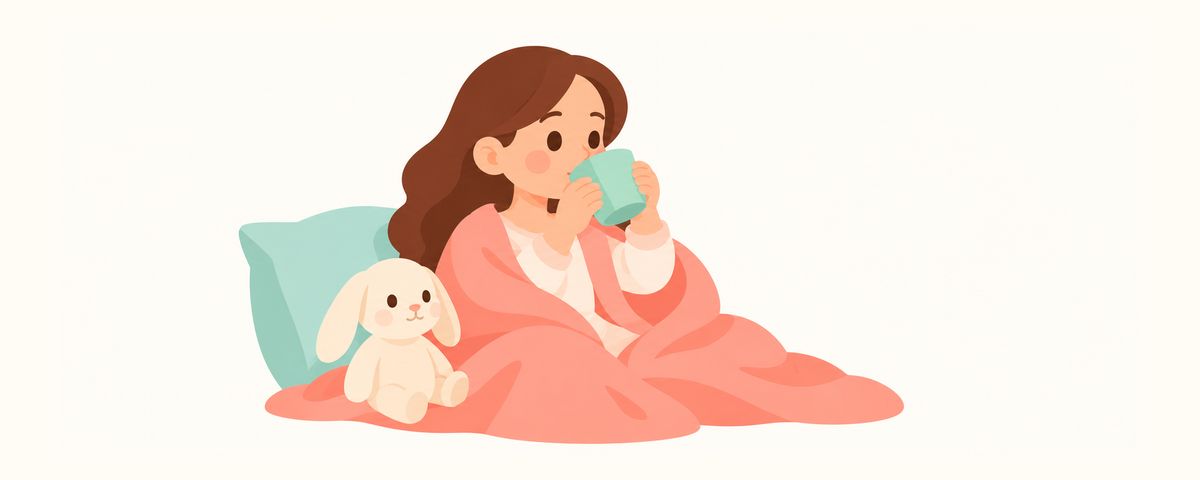
Mouth Blisters and Sores in Kids: Hand, Foot and Mouth, Herpangina, and More
When mouth blisters make eating hard, preventing dehydration matters most. Three common causes, how to keep your child drinking, and signs to see a doctor now.
At a glance
- Offer cold, soft foods and drinks in small amounts, often
- Peeing less or no tears when crying? See a doctor
- Numbing gels aren't recommended, and never give aspirin
Sometimes a child suddenly refuses food and even water, and when they open their mouth, you see white blisters or sores. A sore mouth means drooling, fussiness, and restless nights. It's very common once kids start daycare. Here are the common causes, how to care for your child at home, and signs that it's time to see a doctor.
Why it happens and what's common
Once kids start daycare, they often catch viral infections that cause blisters or sores in the mouth. The biggest worry with these illnesses is dehydration. When a sore mouth makes a child refuse food and drink, the body runs low on fluids, and dehydration is the most common reason these illnesses lead to a hospital stay.
There are three common causes.
- Hand, foot and mouth disease: Fever and a sore throat come first, and 1–2 days later, blisters and sores show up on the inner cheeks, gums, and tongue. A rash or blisters also appear on the hands, feet, and buttocks. Most kids recover within 7–10 days.
- Herpangina: A sudden high fever with small blisters at the back of the throat and the back of the palate. Unlike hand, foot and mouth disease, there's no rash on the hands and feet. It's common from summer to early fall.
- Herpes gingivostomatitis (first infection with the herpes virus): Mostly between 6 months and 5 years. The gums turn bright red, swell, and bleed easily, and clusters of blisters appear on the tongue, lips, and around the mouth. It heals without scarring within 10–14 days.
The symptoms of these three illnesses overlap, so it's hard for parents to tell them apart. If you see blisters in the mouth, see your pediatrician, and ask whether your child can go to daycare.
Keeping them drinking comes first
While your child is sick, getting them to drink matters more than getting them to eat.
- Offer cold, soft drinks and foods in small amounts, often. Easy-to-swallow things like milk, yogurt, and cool water work well.
- Avoid sour drinks like orange juice, and salty, spicy, or hot foods. They sting when they touch the sores.
- For fever and pain, use a pain reliever suited to your child's age and weight. Ask your pediatrician or pharmacist about which one and how much. Never give aspirin to children.
- Keep track of how much your child drinks and how often they pee. It's a big help for the doctor in judging how dehydrated your child is.
- If the lips get cracked and stick together, apply a thin layer of moisturizing ointment.
Another tip is to offer food when the pain is milder. Kids often accept drinks better while the pain reliever is working.
Don't skip brushing, either. Brush gently with a soft toothbrush, avoiding the sore spots. If it hurts too much, just rinse with water or wipe with gauze that day.
Take care at home so it doesn't spread. Wash your hands with soap after diaper changes, and adults with a cold sore shouldn't kiss the baby. Give your child their own cup and towel.
Frequently asked questions
Is it okay if my child barely eats?
It's common to eat less while sick. If your child is drinking well and peeing as usual, there's no need to worry too much. If they pee less or have no tears when crying, those are signs of dehydration, so see a doctor right away.
When can my child go back to daycare?
It depends on the illness. For hand, foot and mouth disease, staying home until the fever is gone and the blisters have fully healed is recommended. For the others, follow your daycare's policy and your doctor's advice.
Is it okay to put medicine on the sores?
Numbing gels aren't recommended for babies and young children. Manage the pain with a pain reliever taken by mouth, and ask at the visit whether any other medicine is needed.
The gums are badly swollen, and blisters have spread to the lips.
It may be herpes gingivostomatitis. A visit within the first 3 days lets the doctor decide whether medicine is needed, so go soon.
See a doctor right away if
- Your child is peeing much less, refuses to drink, or has no tears when crying
- Your child is unusually floppy or sleepy, has a seizure, or has a stiff neck
- The fever lasts more than 3 days, or your baby is under 6 months old
- The gums are badly swollen and blisters are spreading around the mouth
- The eyes are red or painful, or blisters are spreading onto eczema
- There's no improvement after 7–10 days
English ebook · Dentist Ingyoon An
A guide to the decisions behind dental care
Tooth Calendar follows dental care from pregnancy to eighteen in 78 chapters. Explore the reasons behind feeding, brushing, baby-tooth decay, sedation, and injury decisions—including what can be watched and when to seek help. Age-based contents and a topic index help you find the concern you have today.
Get these at the right time
Enter your child's birth date (or due date) in the Tooth Calendar app and these articles arrive as reminders when they matter. Free, no sign-up.
Sources
- CDC · How to Treat Hand, Foot, and Mouth Disease (2024)
- RCH · Clinical Practice Guideline: HSV Gingivostomatitis (2025)
- StatPearls · Herpangina (2026)
- FDA · Safely Soothing Teething Pain in Infants and Children (2024)
The information in this article is for general educational purposes and does not replace professional dental care. Talk to a dentist about your child's condition.