 Tooth Calendar Blog
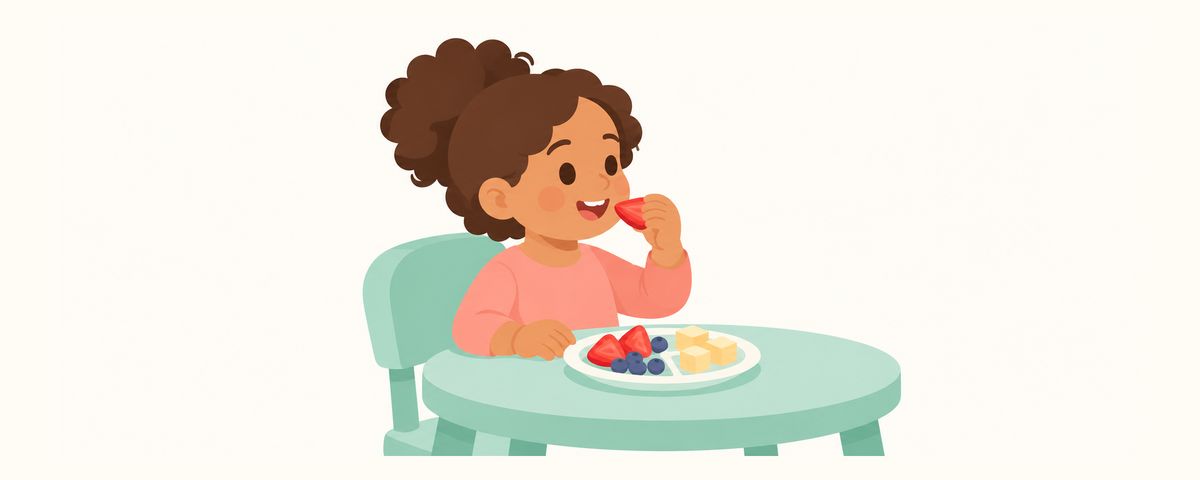
Snacks at Age Two: Start by Setting How Often, to Help Prevent Cavities
How much and how often kids eat sweets both matter, especially not spreading them out. How the mouth turns acidic, setting snack times, and easier snacks.
At a glance
- The same treat does less harm eaten in one sitting
- Between meals, offer water only
- Save sticky treats for right after a meal
It's easy to think, "One candy is fine," or "I only give a little at a time." But for teeth, both how much and how often matter, and it's especially important not to spread eating out over many small times. Around age two is a great time to set meal and snack times. Here's why frequency matters and how to set it up at home.
Why "how often" matters
When your child eats something sweet, bacteria in the mouth feed on the sugar and make acid. So every time your child eats, the mouth turns acidic for 20 minutes or more, and the outer surface of the teeth slowly dissolves during that time. The good news is that once eating stops, saliva washes the acid away and helps harden the teeth again.
The trouble comes when there's no time to recover. If your child nibbles handfuls of crackers all day or keeps sipping a sweet drink from a straw cup, the mouth stays acidic for hours. The teeth never get a chance to recover.
That's why the same amount does far less harm eaten in one sitting. For example, finishing a bag of crackers at snack time and nibbling the same bag all morning may be the same amount, but for teeth they're completely different. That doesn't mean it's fine to eat a lot just because it's in one sitting.
Here are a few things parents often miss.
- Milk and juice count as "eating" too. Sipping milk or fruit juice between meals is the same as a snack for teeth.
- Even healthy snacks linger if they're sticky. Dried fruit may seem healthy, but it sticks to teeth and stays there a long time.
- Snacks used for soothing add up. If your child gets a cracker every time they're fussy or bored, the number of times they eat each day climbs fast.
Set times for eating
- Set times for three meals and two snacks a day. Eating at about the same times every day helps your child learn the rhythm quickly.
- No eating between set times. If your child says they're hungry, let them know when the next meal or snack is. When times are consistent, there's less fussing too.
- Between meals, offer water only. Milk goes with meals too. Make water the go-to drink when your child is thirsty.
- Choose snacks that are less sweet and less sticky. Snacks your child chews, like fruit, cheese, or vegetables, are great.
- Save candy, gummies, and dried fruit for right after a meal. If your child has them, give them as dessert right after a meal instead of as a separate snack. That way, there's no extra acid attack.
- Sit down, eat, and be done. Walking around or playing with a snack in hand makes eating time longer.
Cutting back on sugar itself helps too. The World Health Organization recommends keeping free sugars (added sugars and the sugar in juice) under 10% of daily calories, and ideally under 5%. Setting the number of times and cutting the amount is best of all for teeth.
For the first few days, your child may beg for a snack before snack time. When the whole family sticks to the same rules, your child gets used to it quickly. When you go out, pack a water bottle instead of a bag of snacks.
Frequently asked questions
Milk is healthy. Can't I give it between meals?
Milk is a great food, but it contains sugar. Sipped often between meals, it acts like a snack on the teeth. Have milk with meals and give water in between.
Is fruit okay?
Yes, fruit is a great snack. But it's best to eat it at snack time and be done. Whole fruit is better than juice or dried fruit.
Do we need to brush after every snack?
Brushing every time is hard. A drink of water after a snack is fine, and not skipping brushing twice a day with fluoride toothpaste matters more. Especially, never skip brushing before bed.
Should we never give candy at all?
It's hard to avoid completely. If you do give some, let your child eat it right after a meal, all at once. Cut back as much as you can on candies that are sucked for a long time and sticky gummies.
When to see a dentist
- Your child says a tooth is sensitive or hurts when eating something cold
- You see a white band or a chalky, dull patch near the gums
- A brown stain or spot appears on a tooth
- Snack habits are hard to change and you need a plan that fits your child
- A regular checkup is coming up (ask about eating habits too)
English ebook · Dentist Ingyoon An
A guide to the decisions behind dental care
Tooth Calendar follows dental care from pregnancy to eighteen in 78 chapters. Explore the reasons behind feeding, brushing, baby-tooth decay, sedation, and injury decisions—including what can be watched and when to seek help. Age-based contents and a topic index help you find the concern you have today.
Get these at the right time
Enter your child's birth date (or due date) in the Tooth Calendar app and these articles arrive as reminders when they matter. Free, no sign-up.
Sources
The information in this article is for general educational purposes and does not replace professional dental care. Talk to a dentist about your child's condition.